Seasonal Guides
Summer Stone Fruit: Peaches, Plums, Cherries and Apricots
How to pick, ripen and enjoy summer stone fruit, plus the differences between clingstone and freestone.
Claire Moreau · July 15, 2026 · 6 min read
Storage & Ripening
Everything about apricots: beta-carotene and fiber, how to ripen and store them, fresh vs dried, and simple ways to use them.
By Claire Moreau, Registered Dietitian & Senior Food Researcher · Updated October 10, 2026 · 8 min read · Fact-checked
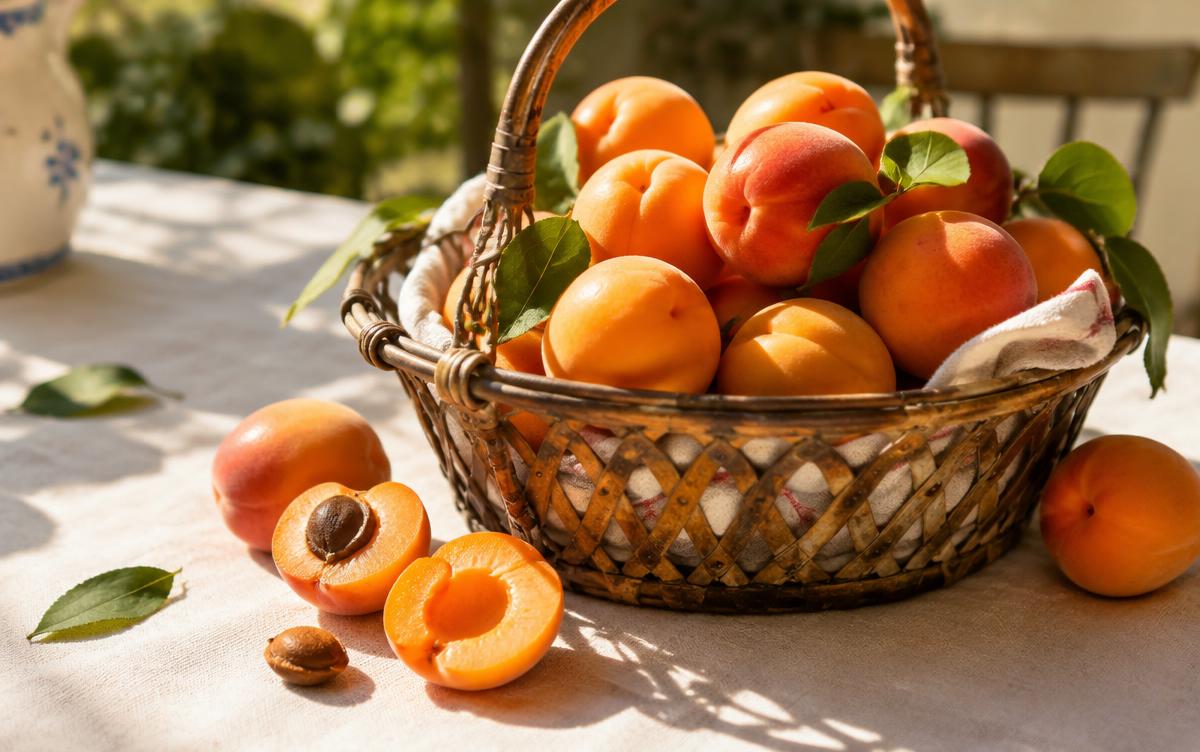
Apricots have one of the shortest seasons of any stone fruit, often just a few weeks in early summer. A perfectly ripe apricot is fragrant, honeyed and slightly tart; an under-ripe one is dry and bland. Knowing how to choose, ripen and preserve them makes the difference between disappointment and one of summer's best fruits.
One fresh apricot, around 35 grams, has only about 17 calories. Three apricots provide roughly 2 grams of fiber and a meaningful amount of vitamin A in the form of beta-carotene, the pigment behind their orange color. They also supply vitamin C, potassium and antioxidants such as chlorogenic acid.
Dried apricots are a concentrated source of potassium, iron and fiber. A 40-gram portion, about five halves, contains roughly 95 calories and 3 grams of fiber.
Your body converts beta-carotene into vitamin A, which is essential for vision, immune function and healthy skin. Apricots also contain lutein and zeaxanthin, carotenoids that accumulate in the retina. Diets rich in carotenoid-containing fruits and vegetables are associated with a lower risk of age-related eye conditions, though no single fruit is responsible.
Look for these signs at the market:
Unlike strawberries, apricots continue to ripen after picking. Leave firm apricots at room temperature, out of direct sun, for one to three days. Placing them in a paper bag speeds up ripening by trapping ethylene, the natural ripening gas they produce.
Once ripe, eat apricots within a day or two, or move them to the fridge to slow further ripening for up to five days. Never refrigerate apricots before they are ripe, because cold can leave them mealy and flavorless.
Bright orange dried apricots are usually treated with sulfur dioxide to preserve their color. People sensitive to sulfites, including some people with asthma, may prefer unsulfured dried apricots, which are brown but taste richer. As with any dried fruit, portion size matters because the sugar is concentrated.
Apricots shine in both raw and cooked dishes:
The seed inside the apricot stone contains amygdalin, which the body can convert into cyanide. Raw apricot kernels are sometimes marketed as a health food, but food safety authorities warn against eating them because even small amounts can cause poisoning. Enjoy the fruit and discard the stone.
Yes. Keep firm apricots at room temperature, ideally in a paper bag, until they soften and smell fragrant.
No need. The skin is thin, edible and contains much of the fiber.
They are unsulfured. Without sulfur dioxide, the fruit darkens naturally during drying, but it is perfectly safe.
No. Raw apricot kernels can release cyanide and should not be eaten.
This article is for general information only and isn't a substitute for professional medical advice. See our disclaimer.
Seasonal Guides
How to pick, ripen and enjoy summer stone fruit, plus the differences between clingstone and freestone.
Claire Moreau · July 15, 2026 · 6 min read
Storage & Ripening
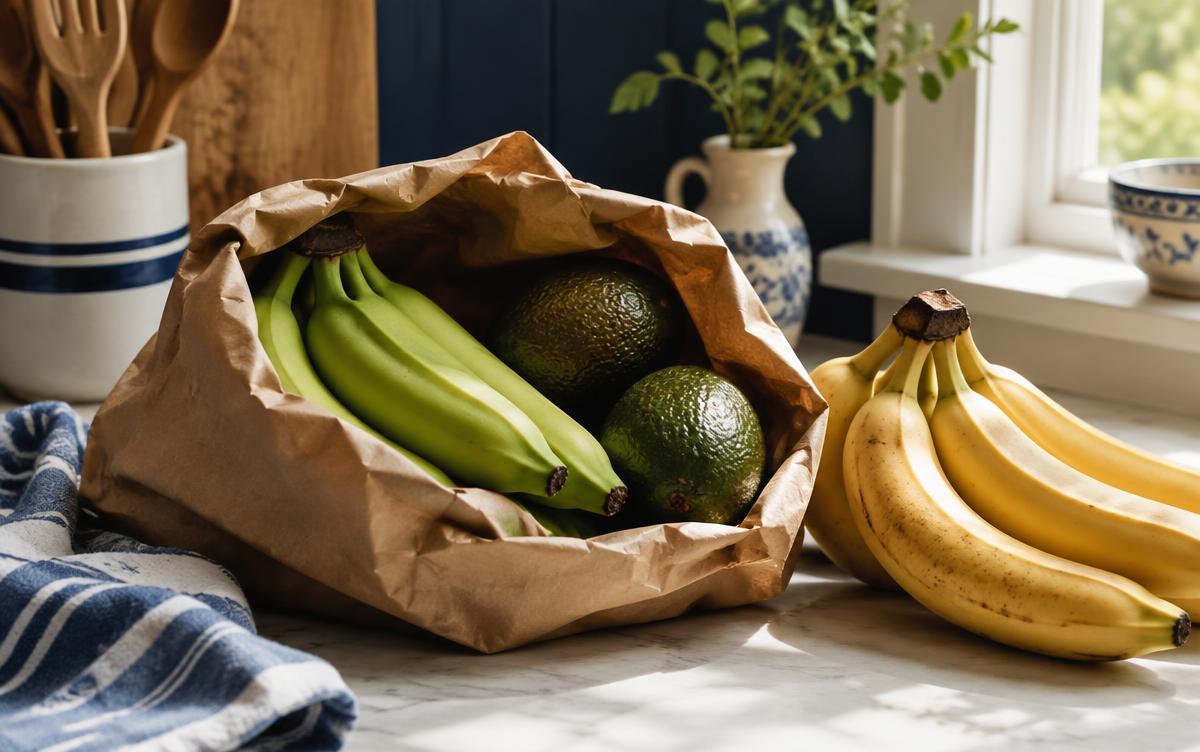
Use the paper bag method, ethylene and temperature to control how quickly fruit ripens.
Claire Moreau · August 10, 2026 · 5 min read