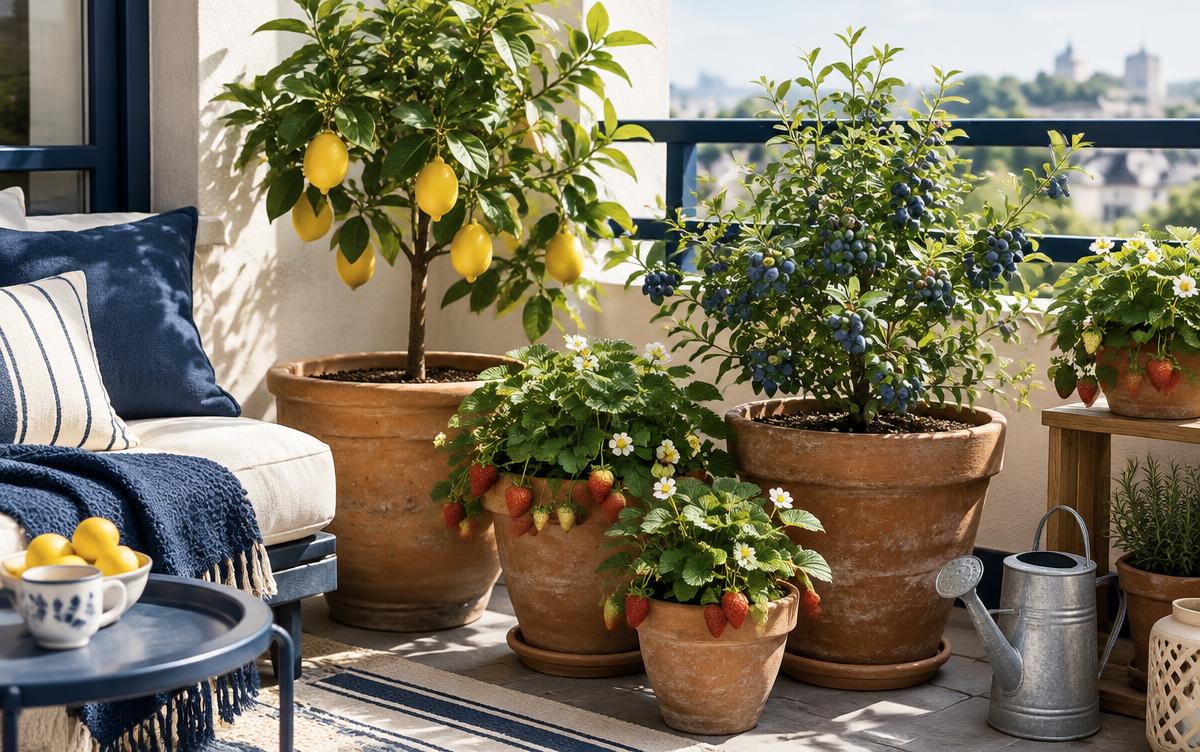
Growing Fruit
Growing Fruit in Containers: A Beginner's Guide
Which fruits grow well in pots, how to choose containers, soil and feeding for a balcony harvest.
Claire Moreau · June 18, 2026 · 8 min read
Growing Fruit
A beginner's guide to growing strawberries in beds, pots or hanging baskets — choosing varieties, planting, watering, feeding and protecting your crop.
By Claire Moreau, Registered Dietitian & Senior Food Researcher · Updated September 20, 2026 · 10 min read · Fact-checked
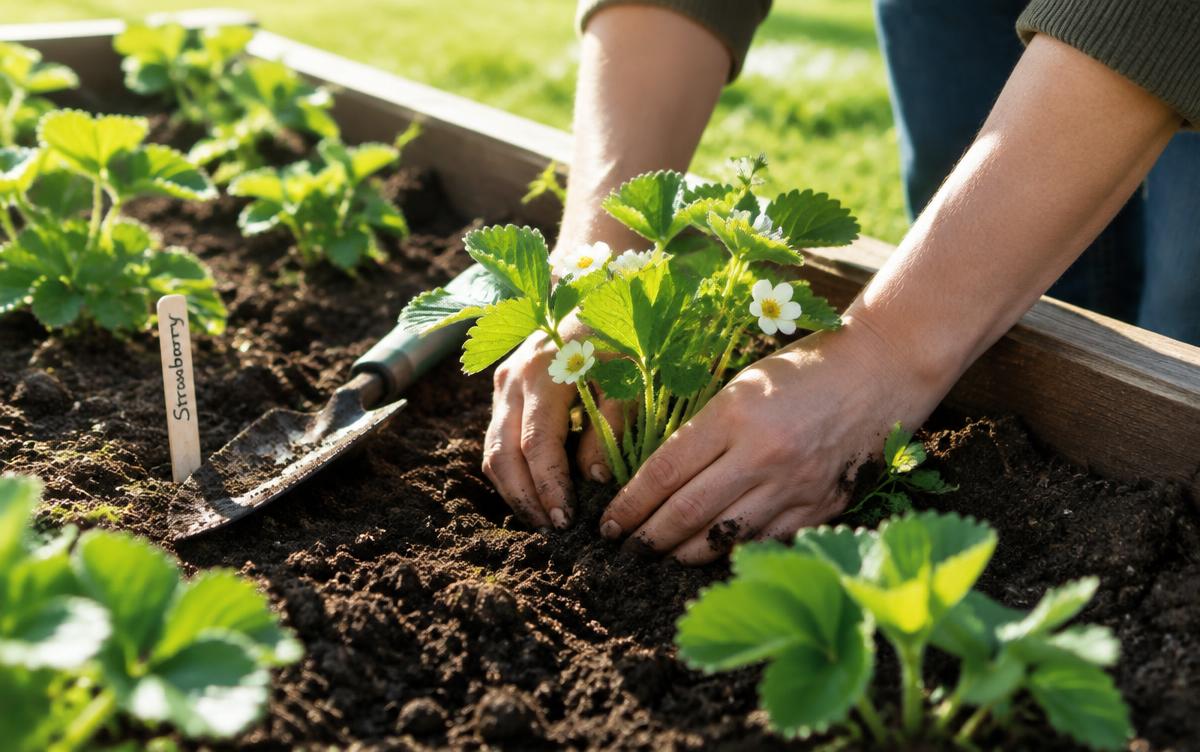
Strawberries are one of the most rewarding fruits for beginner gardeners. They take up little space, crop within months of planting, and taste far better picked warm from the plant than anything bought in a plastic punnet. Whether you have a garden bed, a balcony or just a sunny windowsill, this guide walks you through every stage of growing them.
Strawberry varieties fall into three main groups, and choosing the right one shapes your harvest:
Strawberries need at least six to eight hours of direct sun a day to produce sweet fruit. They like rich, well-drained soil that is slightly acidic (pH around 5.5–6.5). Heavy clay soils can cause root rot, so improve them with plenty of compost or grow in raised beds.
Avoid planting where tomatoes, potatoes, peppers or eggplants grew in the last few years, as these crops can share soil diseases such as verticillium wilt.
Most home gardeners start with bare-root plants or young potted plants rather than seed:
Strawberries are ideal for pots, troughs, grow bags and hanging baskets, which also keep fruit away from slugs. Use a container at least 20 cm deep with drainage holes, and fill it with good-quality peat-free potting compost. A 30 cm pot holds about three plants.
Containers dry out quickly, especially in summer, so check daily and water whenever the top few centimeters of compost feel dry. Feed every 10–14 days with a high-potash liquid fertilizer, such as tomato feed, once flowers appear.
Consistent moisture is the key to plump berries. Water at the base of the plant in the morning rather than over the leaves, which helps prevent fungal disease. Around 2.5 cm of water a week is a good guide in open ground, more during hot spells.
Once small fruits begin to form, tuck straw, or a strawberry mat, under the plants. This mulch keeps berries clean, off damp soil and less prone to rot — and is how the plant is thought to have got its name.
Everyone loves strawberries, including wildlife. Common problems and solutions:
Pick strawberries when they are fully red all over, ideally in the morning when they are cool. Hold the stem rather than the fruit and snap it just above the berry, leaving the green cap on — this keeps them fresh longer. Check plants every day or two during the season; ripe berries left on the plant quickly attract pests and rot.
Do not wash berries until you are ready to eat them. Homegrown strawberries are best eaten within a day or two, and any surplus can be frozen.
After fruiting, plants send out long stems called runners, which root to form new plants. Peg a few healthy runners into small pots of compost and cut them from the parent once rooted to create free replacement plants. Remove other runners so the main plant puts its energy into next year's crop.
Strawberry plants are most productive for about three years. Replacing a third of your plants each year with rooted runners keeps your patch vigorous and productive.
Plants set in early spring usually produce a small crop the same summer. Many growers pinch off first-year flowers on June-bearers to build stronger plants and a much bigger crop the following year.
Yes, on a very sunny windowsill or under grow lights. Day-neutral and alpine varieties do best indoors, and you may need to hand-pollinate flowers with a small brush.
Common causes are irregular watering, too little sun, overcrowding, or old plants. Replacing plants every three years helps.
For June-bearers, trimming old leaves after harvest and removing straw improves air flow and reduces disease. Leave the crown and young leaves untouched.
This article is for general information only and isn't a substitute for professional medical advice. See our disclaimer.
Growing Fruit
Which fruits grow well in pots, how to choose containers, soil and feeding for a balcony harvest.
Claire Moreau · June 18, 2026 · 8 min read
Growing Fruit
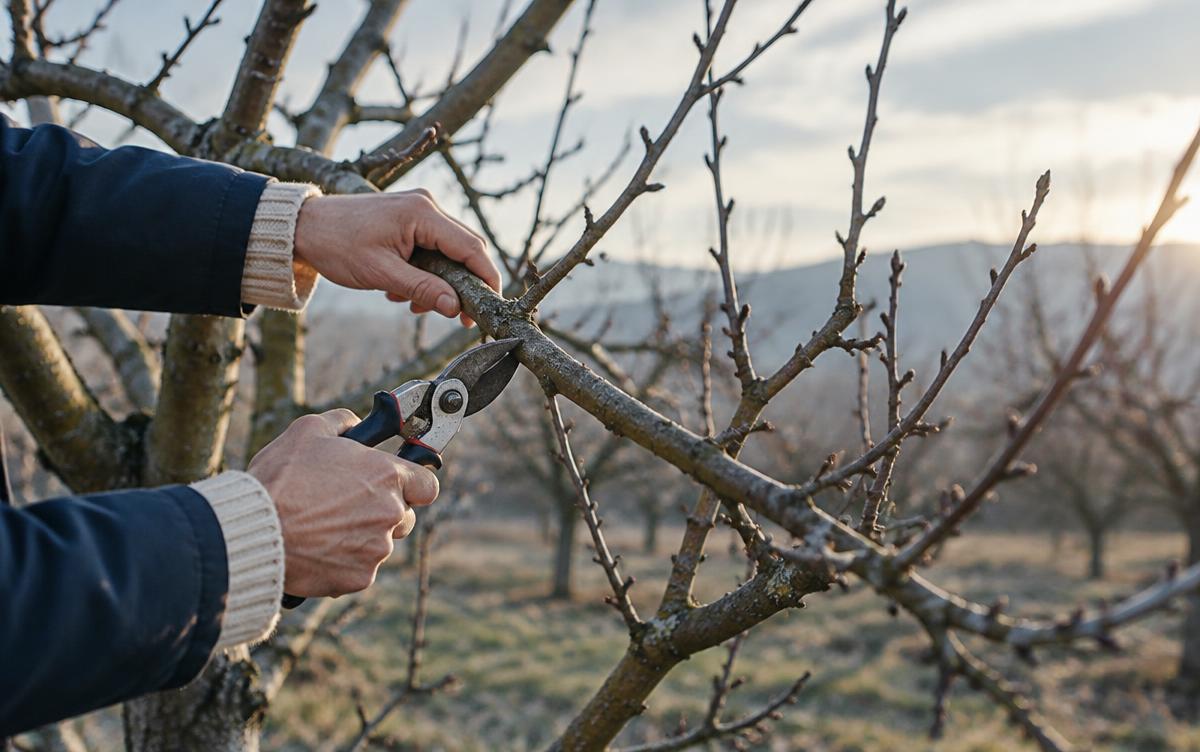
When and how to prune apple, pear and stone fruit trees for healthier growth and better harvests.
Claire Moreau · May 25, 2026 · 7 min read