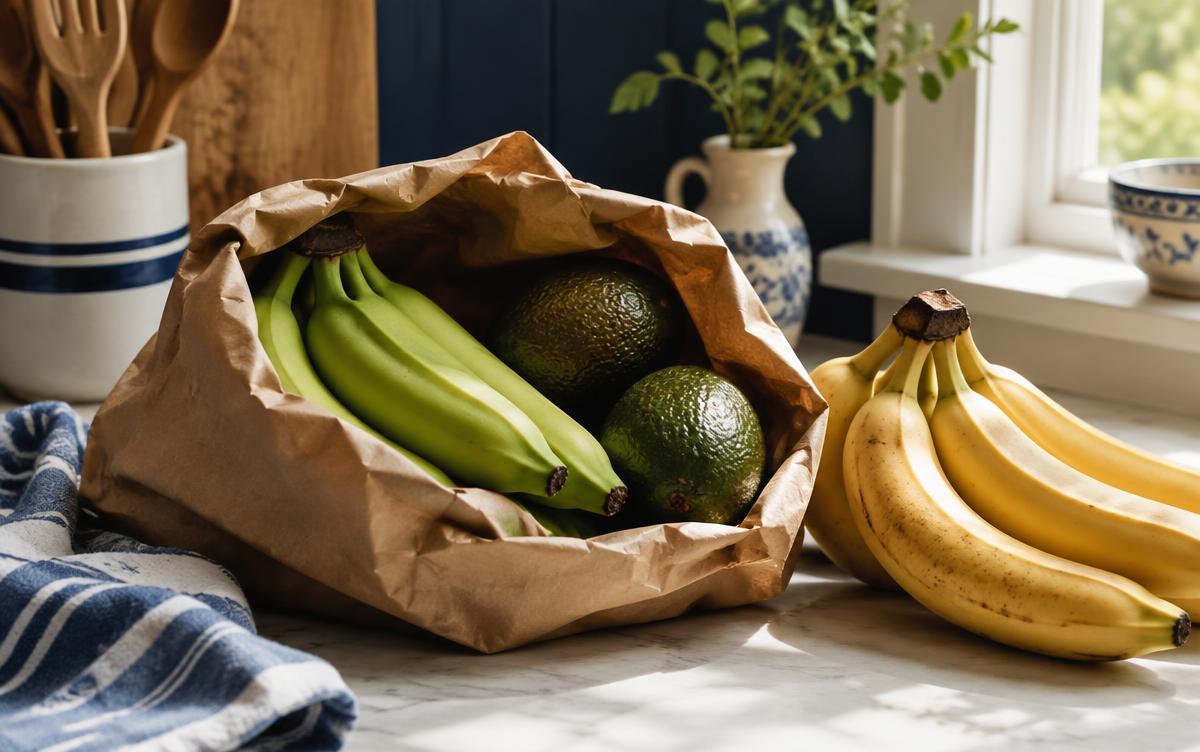
Storage & Ripening
How to Ripen Fruit Faster (and Slow It Down When You Need To)
Use the paper bag method, ethylene and temperature to control how quickly fruit ripens.
Claire Moreau · August 10, 2026 · 5 min read
Storage & Ripening
Which fruits belong in the fridge, which on the counter, and how to keep produce fresh for longer.
By Claire Moreau, Registered Dietitian & Senior Food Researcher · Updated September 20, 2026 · 9 min read · Fact-checked
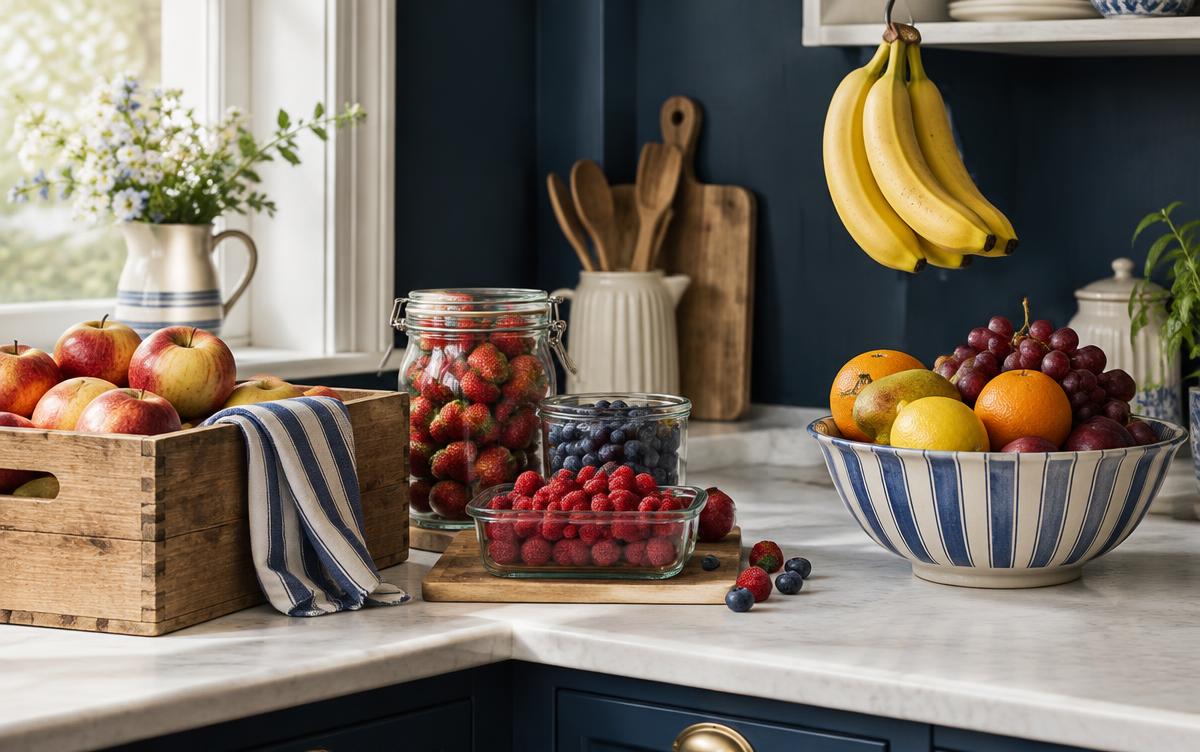
Storing fruit correctly can extend its life by days or even weeks — and it is one of the easiest ways to cut household food waste. The key is knowing which fruits keep ripening after harvest.
Climacteric fruits — bananas, avocados, peaches, pears, mangoes, tomatoes and kiwis — keep ripening after picking and release ethylene gas. Non-climacteric fruits — berries, citrus, grapes, cherries and pineapple — do not meaningfully ripen once harvested.
Keep these at room temperature until ripe:
Refrigerate these for best shelf life:
Apples, bananas and ripe pears release a lot of ethylene, which speeds up spoilage in sensitive produce like leafy greens, berries and cucumbers. Store them in separate drawers or bowls.
Moisture encourages mold. Wash berries and grapes just before eating, not when you bring them home.
Once ripe, yes. The peel will darken, but the flesh stays firm for several extra days.
Typically three to seven days refrigerated, depending on type and freshness at purchase.
This article is for general information only and isn't a substitute for professional medical advice. See our disclaimer.
Storage & Ripening
Use the paper bag method, ethylene and temperature to control how quickly fruit ripens.
Claire Moreau · August 10, 2026 · 5 min read
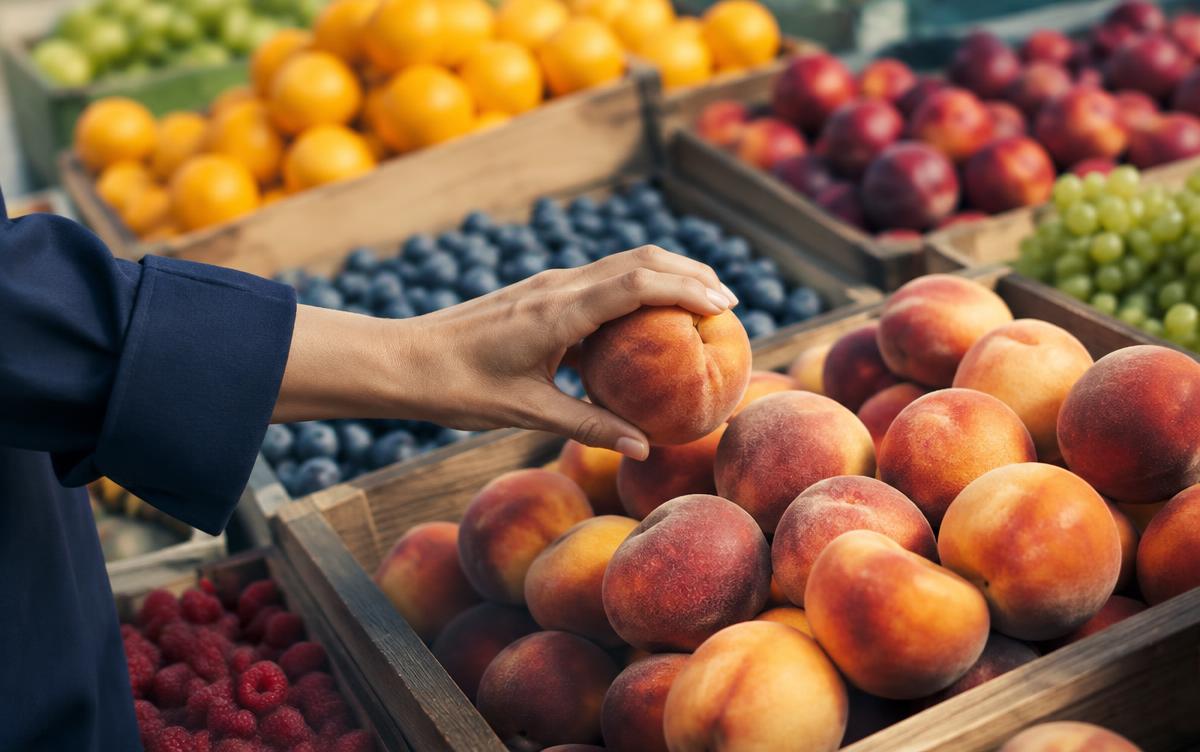
Buying Guides
Look, smell and touch tests for picking ripe melons, avocados, pineapples, berries and more.
Claire Moreau · September 25, 2026 · 8 min read