Pomegranate nutrition and antioxidants, what studies say about the juice, how to pick a good fruit, and a mess-free method to remove the seeds.
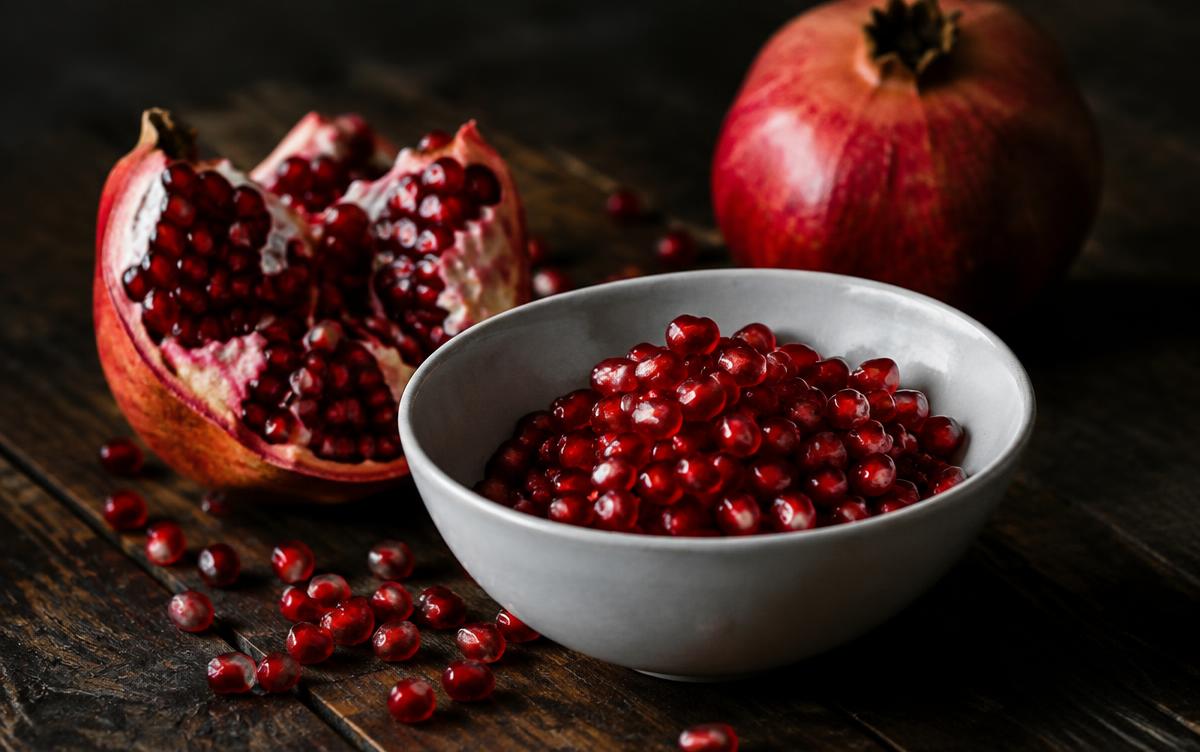
Pomegranates are an autumn and winter fruit prized for their jewel-like seeds, known as arils. They have a reputation as a powerful health food, and the juice in particular is widely marketed for heart health. This guide separates the solid evidence from the hype, explains how to choose a good pomegranate, and shows a simple way to get the seeds out without staining your kitchen.
Nutrition in pomegranate seeds
Half a cup of pomegranate arils, about 87 grams, contains roughly 72 calories, 3.5 grams of fiber and 12 grams of sugar. Arils provide vitamin C, vitamin K, folate and potassium. Because you eat the small seeds inside each aril, pomegranate is a surprisingly good source of fiber.
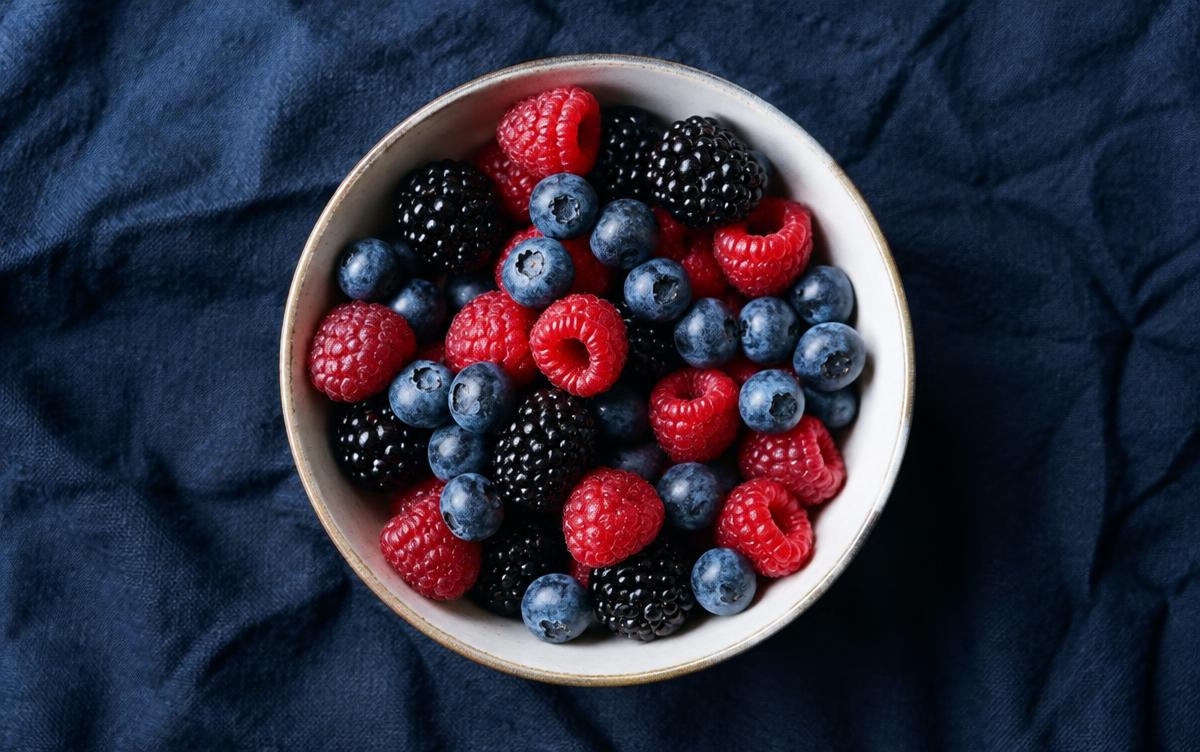
Pomegranates are especially rich in polyphenols called punicalagins, found mostly in the peel and the white membranes, and in anthocyanins that give the arils their red color.
What studies say about pomegranate juice
Several small clinical trials have found that drinking pomegranate juice daily for a few weeks can modestly lower blood pressure. Some studies also suggest benefits for blood vessel function and markers of oxidative stress. However, many trials were small or short, and some were funded by juice producers, so results should be interpreted with caution.
Juice also lacks most of the fiber found in whole arils, and a glass contains about 30 grams of sugar. For everyday eating, the whole seeds are the better choice. If you enjoy the juice, keep the portion to a small glass of around 150 ml.
How to choose a good pomegranate
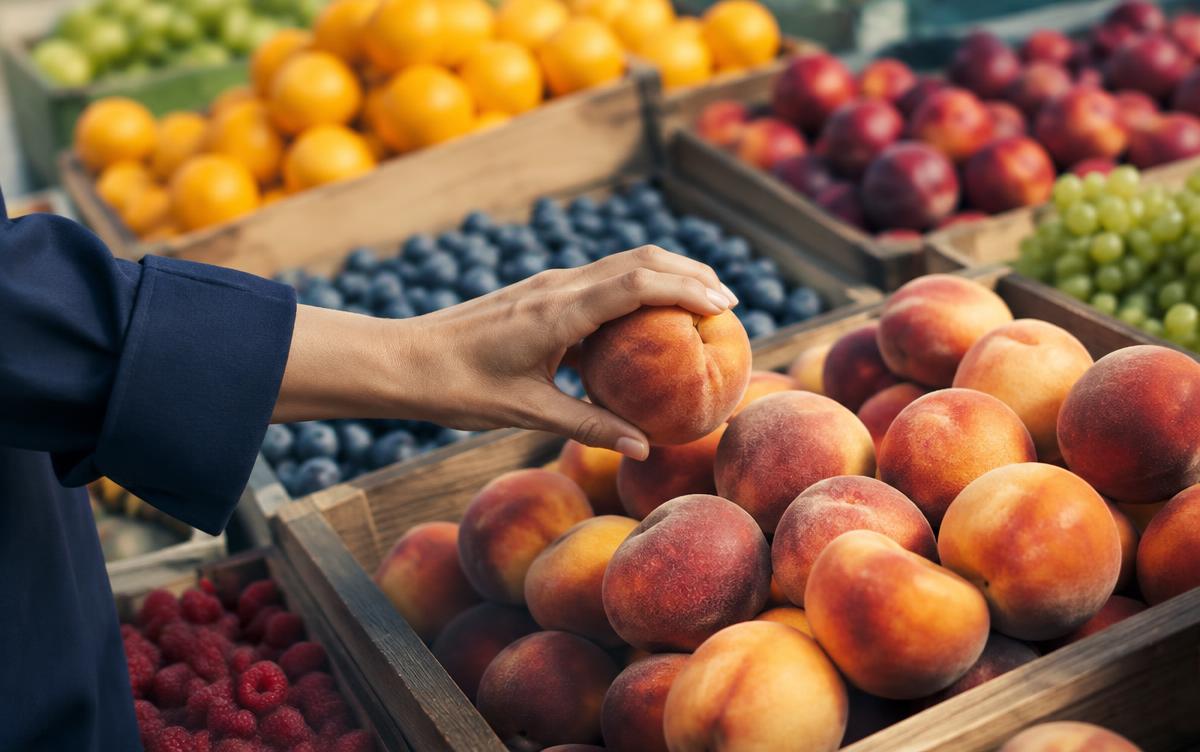
Appearance can be deceiving, but these clues help:
- Heavy for its size, which means juicy arils
- Firm, taut skin; slightly angular sides suggest the arils have filled out
- Deep color for the variety, though some ripe pomegranates stay pinkish
- No soft spots, cracks with mold, or a dull, dry crown
- Minor surface scratches are fine and do not affect the fruit inside
How to remove the seeds without mess
The water-bowl method keeps juice from spraying everywhere:
- Cut off the crown, then score the skin from top to bottom along the ridges into 4 to 6 sections
- Gently pull the fruit apart into sections with your hands
- Submerge the sections in a large bowl of cold water
- Use your fingers to loosen the arils; they sink while the white pith floats
- Skim off the pith, drain the arils and pat them dry
Storing pomegranates
Whole pomegranates keep for one to two weeks at room temperature and up to two months in the fridge. Loose arils should be stored in an airtight container in the fridge and eaten within five days. Arils also freeze well: spread them on a tray, freeze, then transfer to a bag for up to a year.
Ways to enjoy pomegranate
Scatter arils over salads, yogurt, porridge or roasted vegetables for color and a sweet-tart crunch. They work beautifully in Middle Eastern dishes, with grilled meats, and in grain salads with mint and parsley. Pomegranate molasses, a reduced juice, adds sour depth to dressings and marinades.
Who should be careful
Pomegranate juice may interact with certain medications, including some blood thinners and blood pressure drugs, by affecting how the liver processes them. If you take regular medication, check with your doctor or pharmacist before drinking large amounts. Eating the arils in normal food portions is not considered a concern for most people.
Frequently asked questions
Can you eat pomegranate seeds whole?
Yes. The arils and the small seeds inside are edible and provide most of the fiber.
Is pomegranate juice as healthy as the fruit?
Not quite. Juice keeps many polyphenols but loses most of the fiber and concentrates the sugar.
When are pomegranates in season?
In the Northern Hemisphere, roughly from September to January.
How do I remove pomegranate stains?
Rinse quickly with cold water, then treat with lemon juice or a stain remover. Using the water-bowl method avoids most stains.
This article is for general information only and isn't a substitute for professional medical advice. See our disclaimer.