Storage & Ripening
How to Ripen Fruit Faster (and Slow It Down When You Need To)
Use the paper bag method, ethylene and temperature to control how quickly fruit ripens.
Claire Moreau · August 10, 2026 · 5 min read
Storage & Ripening
The complete avocado guide: how to tell ripeness, speed it up or slow it down, keep cut halves green, and what to do with every stage.
By Claire Moreau, Registered Dietitian & Senior Food Researcher · Updated October 9, 2026 · 8 min read · Fact-checked
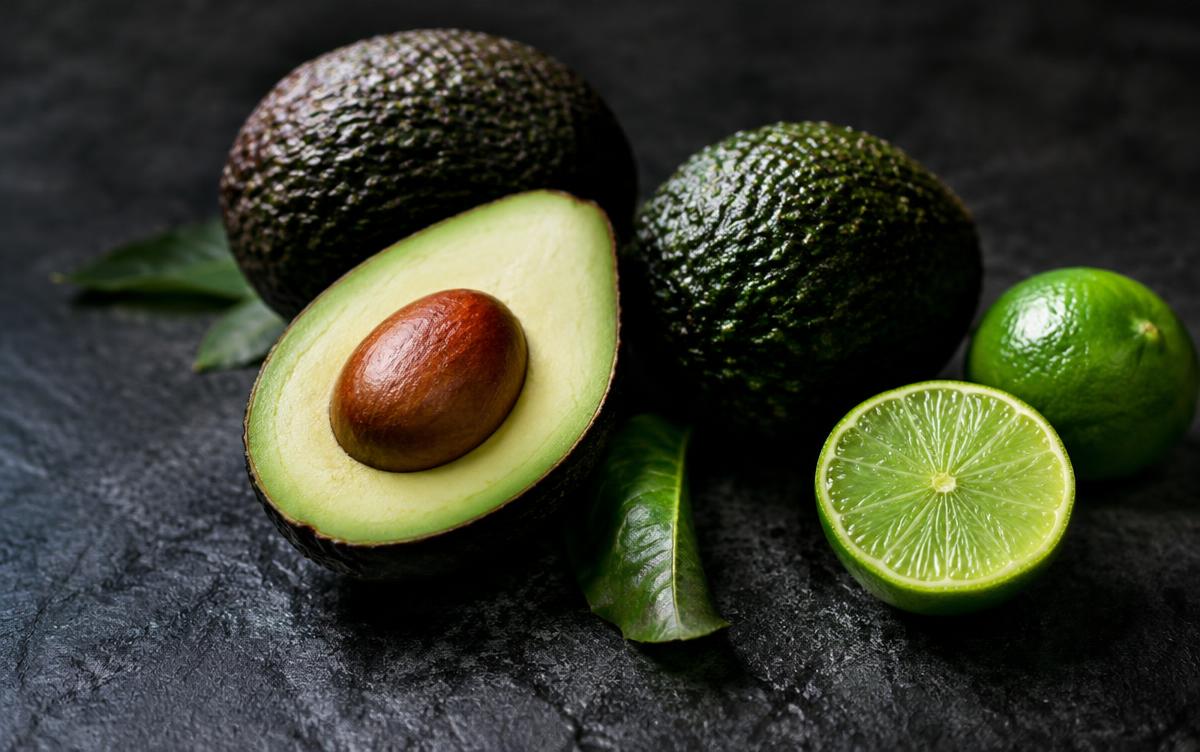
Few fruits cause as much kitchen frustration as the avocado. Rock-hard for days, then seemingly overripe in an afternoon. The good news is that avocado ripening is predictable once you know the signs, and with a couple of simple techniques you can have a ready-to-eat avocado almost whenever you want one.
Color helps but touch decides. A ripe Hass avocado turns from green to very dark green or near-black, but the reliable test is gentle pressure: cup the fruit in your palm and press lightly. It should yield slightly, like the flesh at the base of your thumb, without feeling soft or leaving a dent.
The stem trick is a useful second opinion. Flick off the small stem nub at the top: green underneath means ripe, brown means overripe, and if the nub will not budge the fruit needs more time. Avoid squeezing avocados with your fingertips — it bruises the flesh and is why shop avocados so often have brown patches.
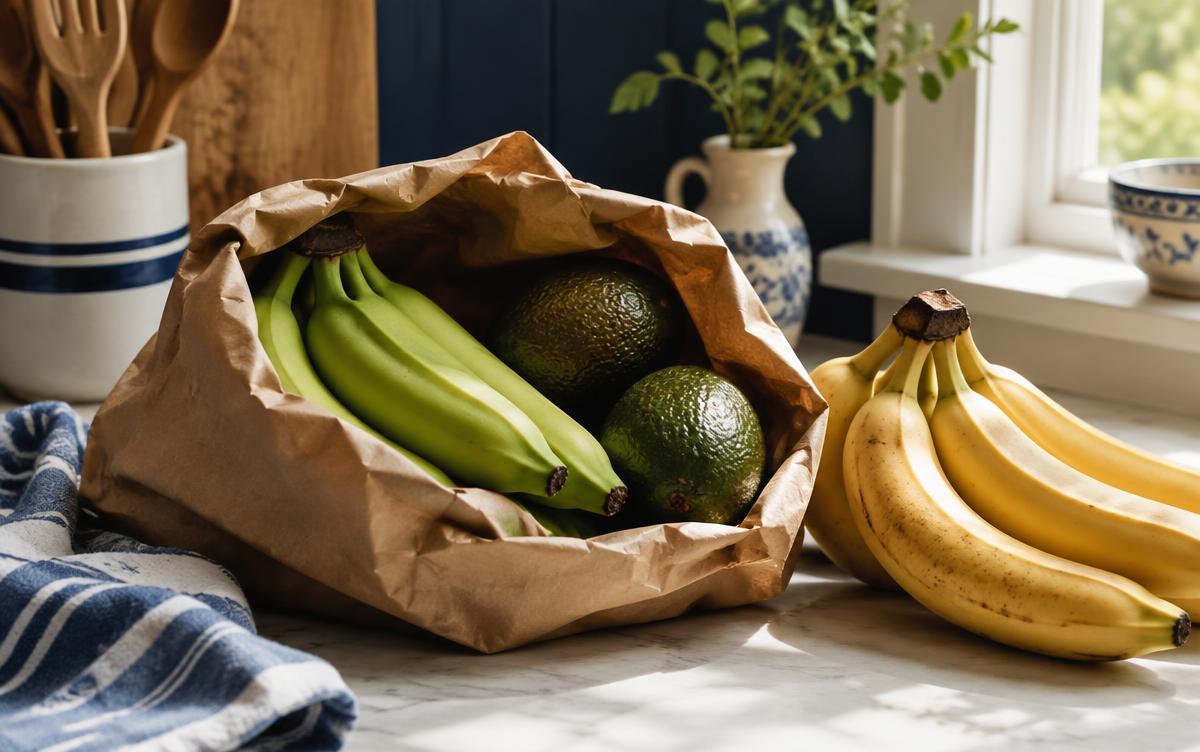
Avocados ripen after picking, driven by ethylene gas. To speed things up, put the avocado in a paper bag with a banana or apple and fold the bag closed. The trapped ethylene can cut ripening time from four or five days to one or two. Check daily.
A word of warning about internet shortcuts: microwaving or baking a hard avocado softens it, but it does not ripen it. The flavor stays watery and the texture turns odd. If you need guacamole today, buy ripe avocados — there is no true shortcut.
Once an avocado is ripe, the fridge is your friend. A ripe whole avocado keeps in the refrigerator for two to three days, buying you time. If you have several ripening at once, move them to the fridge in sequence so they are ready on different days rather than all at once.
Cut avocado flesh browns because an enzyme reacts with oxygen. You cannot stop it forever, but you can slow it considerably:
Firm-ripe avocados slice cleanly and hold their shape — use them in salads, on toast where you want defined slices, or fanned over dishes. Fully ripe, soft avocados mash beautifully: guacamole, spreads, smoothies, or as a butter substitute in baking. Slightly overripe avocados with a few brown streaks are fine blended into dressings, chocolate mousse or smoothies, where appearance does not matter.
Only discard an avocado when the flesh is widely brown or grey, smells sour or rancid, or the texture has turned stringy and watery.
Half a medium avocado provides roughly 120–160 calories, mostly from monounsaturated fat — the same heart-friendly family found in olive oil — plus around 5 g of fiber, more potassium than half a banana, and useful folate and vitamin K. Its fat content makes it satisfying, which is why a little avocado tends to keep you full far longer than the same calories from refined carbohydrate.
Yes. Mash the flesh with a little lemon juice and freeze in a sealed container for up to three months. The texture softens, so use thawed avocado in guacamole, smoothies or baking rather than sliced.
Usually yes. Small brown spots or a thin surface layer are just oxidation. Cut them away; discard the fruit only if browning is widespread or the smell is off.
Stringiness usually comes from fruit picked from young trees or harvested very early. It is harmless but unpleasant — blending hides it.
Only where the pit physically touches the surface. Acid and excluding air do the real work.
This article is for general information only and isn't a substitute for professional medical advice. See our disclaimer.
Storage & Ripening
Use the paper bag method, ethylene and temperature to control how quickly fruit ripens.
Claire Moreau · August 10, 2026 · 5 min read
Storage & Ripening
Which fruits belong in the fridge, which on the counter, and how to keep produce fresh for longer.
Claire Moreau · September 20, 2026 · 9 min read