Fruit Nutrition
How Much Fruit Should You Eat Per Day? A Dietitian's Guide
Daily fruit recommendations explained: portion sizes, whole fruit vs juice, and simple ways to reach your target.
Claire Moreau · September 12, 2026 · 8 min read
Fruit Nutrition
A clear look at natural sugars in fruit, how fiber changes their effect, and which fruits are lower in sugar.
By Claire Moreau, Registered Dietitian & Senior Food Researcher · Updated September 2, 2026 · 7 min read · Fact-checked
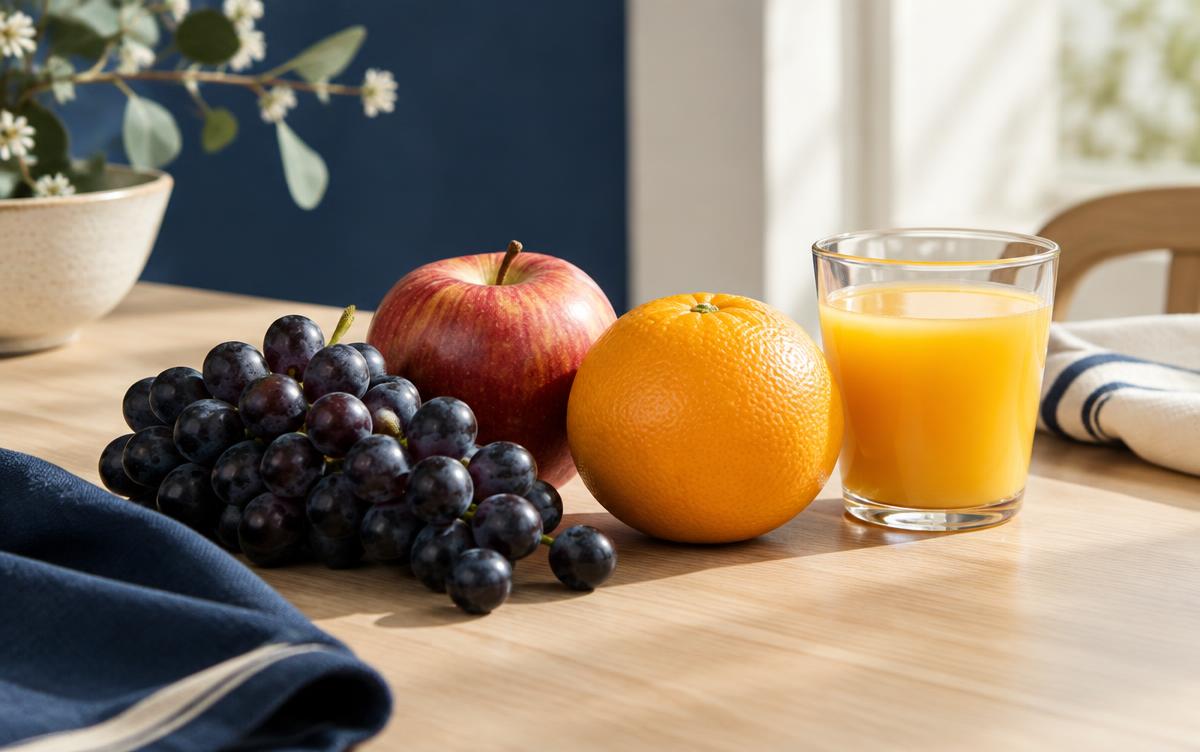
Fructose has a complicated reputation. But the sugar in a whole apple behaves very differently from sugar added to soft drinks. Here is why, and what that means for everyday eating.
Fruit contains a mix of fructose, glucose and sucrose. The proportions vary: apples and pears are relatively high in fructose, while bananas and peaches have more sucrose. Every fruit also brings water, fiber, vitamins and plant compounds along with its sugars.
Concerns about fructose largely come from studies of high intakes of added sugars and syrups. In whole fruit, sugar is packaged inside plant cell walls and accompanied by fiber, which slows digestion and moderates the rise in blood sugar.
Large observational studies have repeatedly linked higher whole-fruit intake with better health outcomes, while sugar-sweetened drinks show the opposite pattern.
If you are watching sugar intake, these fruits are naturally lower per typical serving:
Eating fruit with protein or fat — such as yogurt, nuts or cheese — can further slow digestion. An apple with a handful of almonds is a classic example that keeps many people fuller for longer.
Not generally. Many diabetes organizations encourage whole fruit as part of a balanced plan, with attention to portion size. Personal advice should come from your healthcare team.
No. Juice lacks most of the fiber and is easier to over-consume, so whole fruit is the better everyday choice.
This article is for general information only and isn't a substitute for professional medical advice. See our disclaimer.
Fruit Nutrition
Daily fruit recommendations explained: portion sizes, whole fruit vs juice, and simple ways to reach your target.
Claire Moreau · September 12, 2026 · 8 min read
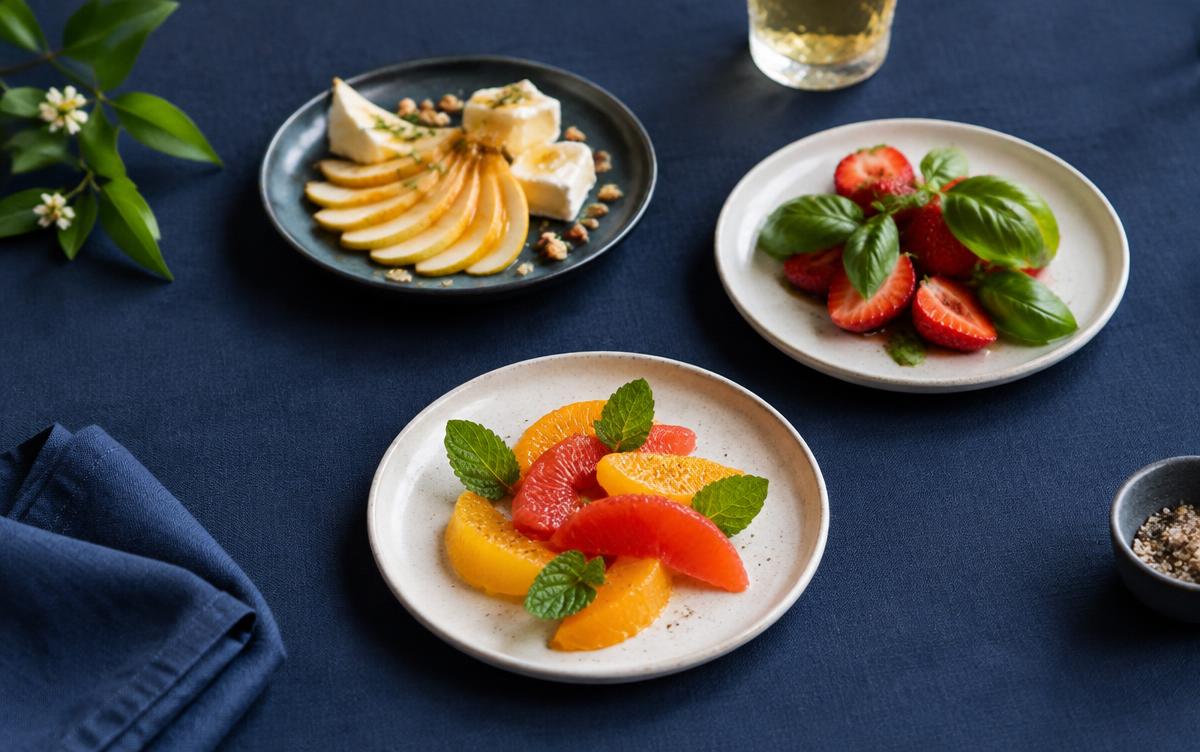
Fruit in the Kitchen
Classic and surprising fruit pairings with herbs, spices, cheese and more for everyday cooking.
Claire Moreau · July 30, 2026 · 6 min read