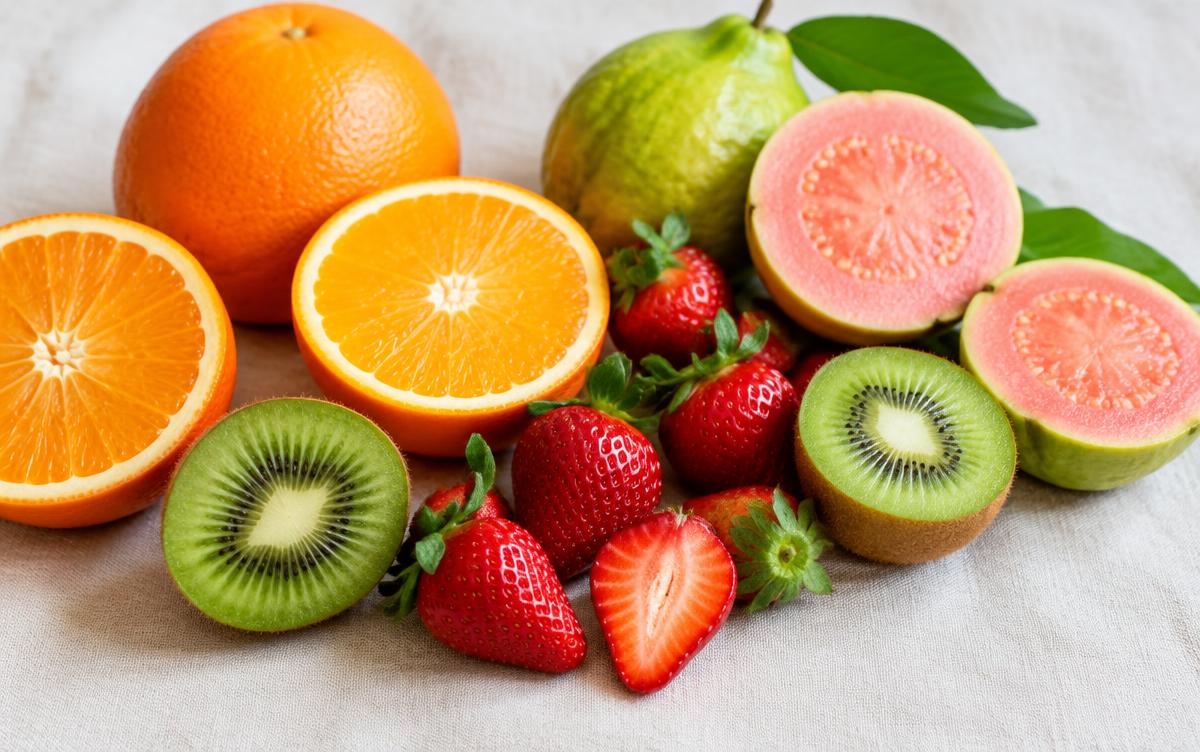
Guava, kiwi, strawberries, oranges and more ranked by vitamin C per serving, plus how much you need and how to keep vitamin C from breaking down.
Oranges get most of the credit, but they are not the richest fruit source of vitamin C. Several everyday fruits match or beat them gram for gram. This guide ranks common fruits by vitamin C, explains what the vitamin actually does, and shows how to store and prepare fruit so you keep as much of it as possible.
What vitamin C does in the body
Vitamin C (ascorbic acid) is needed to make collagen, the protein that holds together skin, blood vessels, tendons and gums. It also helps the body absorb non-heme iron from plant foods, and it acts as an antioxidant. Humans cannot make vitamin C, so it has to come from food every day.
Most adults need roughly 75–90 mg per day in the U.S. guidance, and around 40 mg in UK guidance. Smokers are advised to get more. A single serving of many fruits covers the whole day.
Fruits ranked by vitamin C
Approximate values per typical serving, based on standard food composition data:
- Guava (1 fruit, ~55 g): about 125 mg
- Kiwi (2 medium): about 130 mg
- Strawberries (1 cup, sliced): about 95 mg
- Orange (1 medium): about 70 mg
- Papaya (1 cup, cubed): about 88 mg
- Pineapple (1 cup, chunks): about 79 mg
- Mango (1 cup, sliced): about 60 mg
- Cantaloupe (1 cup, cubed): about 58 mg
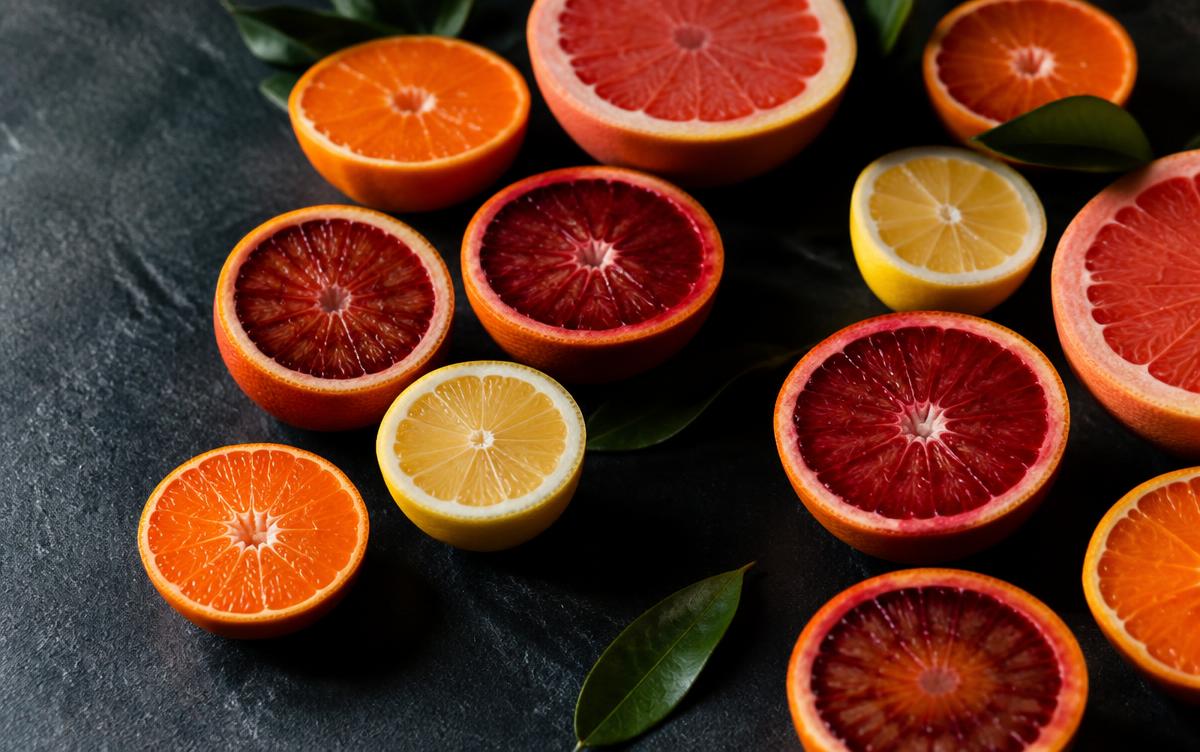
- Grapefruit (half): about 40 mg
- Lychee (10 fruits): about 70 mg
Why the numbers vary
Vitamin C content changes with variety, ripeness, growing conditions and storage time. Fruit that has spent weeks in transport or storage generally contains less than freshly picked fruit. The figures above are useful for comparison, not exact counts.
How to keep vitamin C in your fruit
Vitamin C is sensitive to heat, air and light. A few simple habits help:
- Cut fruit just before eating rather than hours in advance
- Store cut fruit covered in the fridge and eat it within a day
- Eat fruit raw when possible; cooking reduces vitamin C
- Frozen fruit keeps most of its vitamin C and is a good off-season option
Can you get too much?
From whole fruit, it is very hard to overdo vitamin C — the body excretes what it does not need. High-dose supplements (above about 2,000 mg a day) can cause stomach upset and, in some people, raise the risk of kidney stones. Food sources are the simplest and safest route.
Frequently asked questions
Do oranges have the most vitamin C?
No. Guava, kiwi and strawberries provide more per serving, though oranges remain an excellent source.
Does vitamin C prevent colds?
Research suggests regular intake may slightly shorten colds for some people, but it does not reliably prevent them.
Is orange juice a good source?
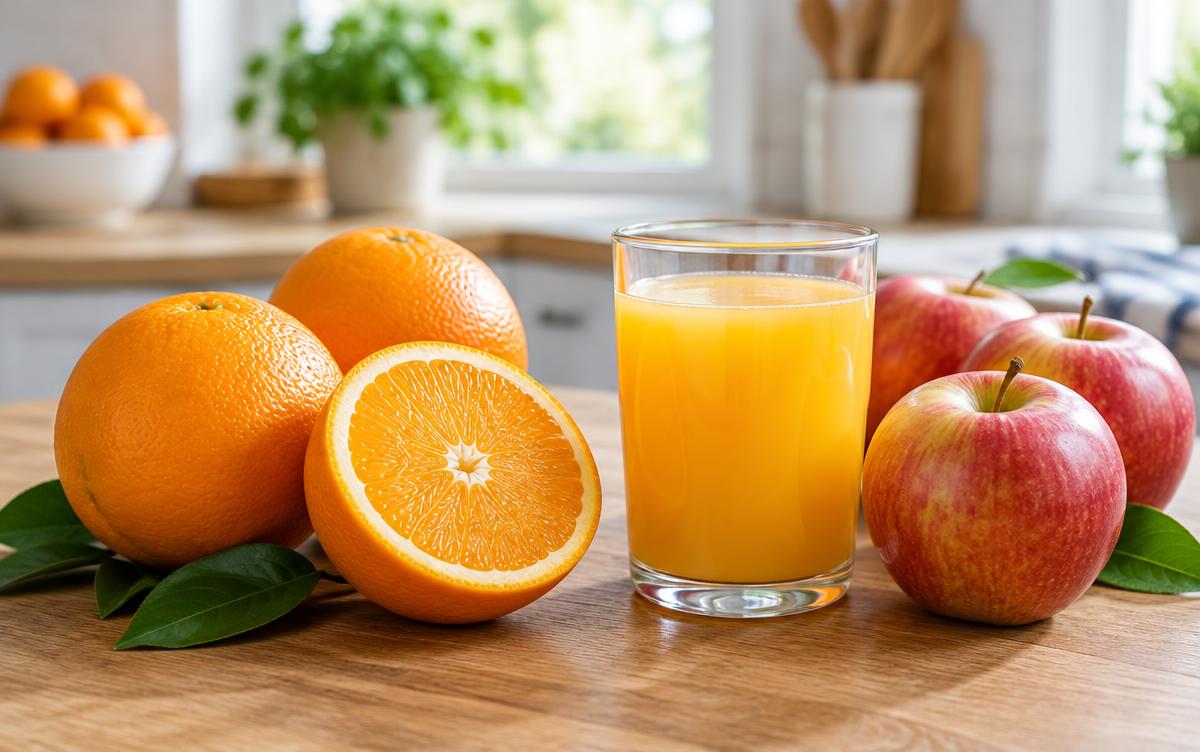
It contains plenty of vitamin C, but whole fruit is better because it keeps the fiber.
This article is for general information only and isn't a substitute for professional medical advice. See our disclaimer.