Compare red, green and black grapes: calories, sugar, antioxidants and flavor, plus how to choose fresh grapes, wash them properly and keep them crisp for longer.
Grapes are one of the easiest fruits to eat: no peeling, no cutting, and they come in several colors. But are red grapes healthier than green? How much sugar do they contain? And why do they spoil so quickly? This guide compares the main grape colors, explains their nutrition in plain terms, and shows how to store them so they stay crisp.
Grape nutrition basics
According to USDA data, one cup of grapes (about 150 g) contains roughly 100–105 calories, about 27 g of carbohydrate (most of it natural sugar) and around 1.4 g of fiber. Grapes also supply vitamin K, some vitamin C and potassium.
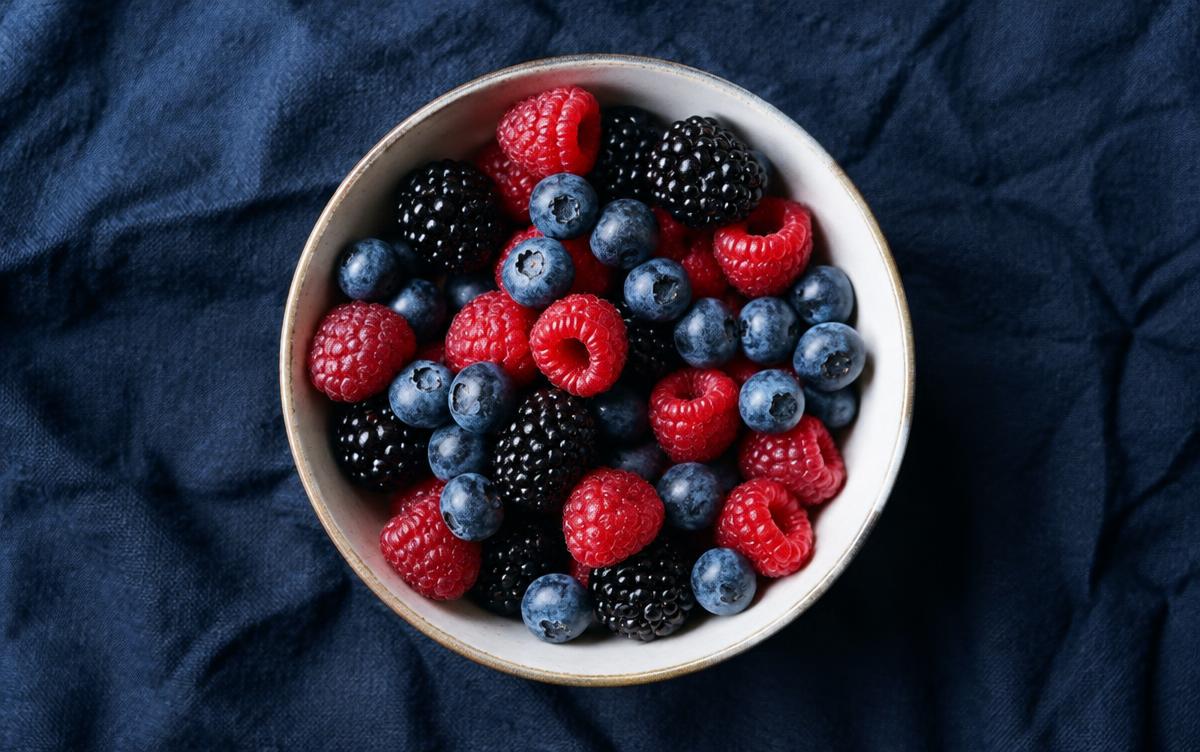
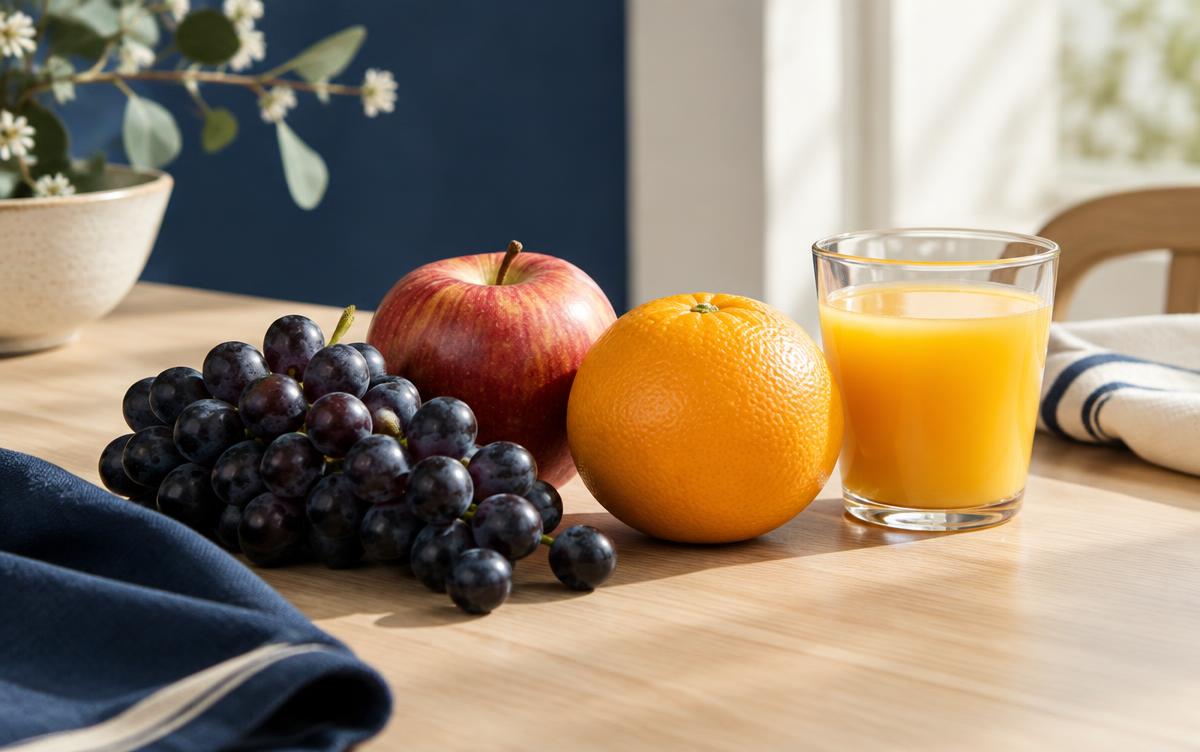
Grapes are higher in natural sugar and lower in fiber than berries or apples, so portion size matters for people tracking carbohydrates. A cup is a reasonable serving; eating grapes straight from a large bag makes it easy to eat several cups without noticing.
Red vs green vs black grapes
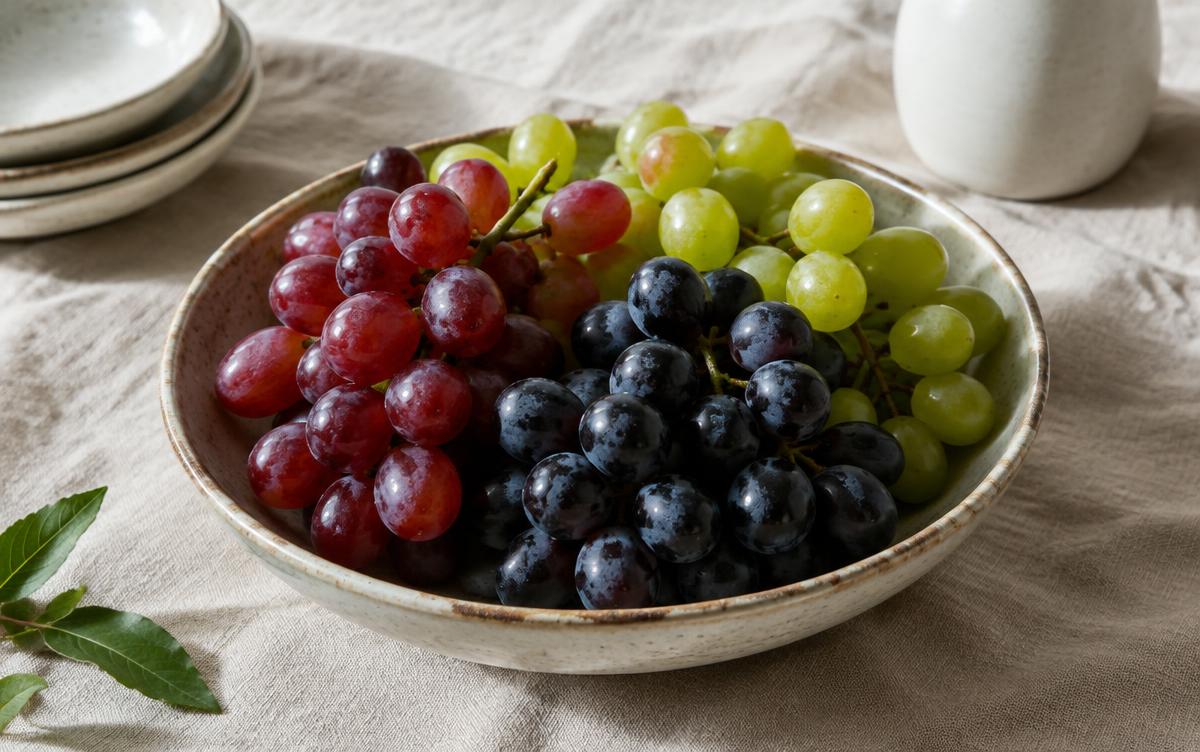
All grape colors have broadly similar calories and sugar. The main difference is pigment: red and black grapes contain anthocyanins, the plant compounds that give them their color, while green grapes contain little of them. Darker grapes are often described as higher in antioxidants for this reason.
- Green grapes: crisp and tart-sweet; great for snacking and salads.
- Red grapes: sweeter, with anthocyanin pigments in the skin.
- Black grapes: deep, rich flavor and the darkest pigments.
- Practical advice: choose the color you enjoy — eating fruit consistently matters more than small differences.
Grapes, resveratrol and red wine claims
Grape skins contain resveratrol, a compound often linked to red wine in headlines. The amounts in grapes are small, and evidence that resveratrol from food delivers major health benefits in people is limited. Whole grapes are a good fruit choice on their own merits; they are not a substitute for medical advice, and they are not a reason to start drinking alcohol.
How to choose and store grapes
Look for plump grapes firmly attached to green, flexible stems. Avoid bunches with wrinkled, sticky or moldy fruit. A whitish powdery coating called bloom is natural and protects the grapes.
Store grapes unwashed in the refrigerator, ideally in a ventilated bag or container, and wash them just before eating. Moisture speeds spoilage. Kept this way, grapes usually stay fresh for one to two weeks.
Safety note for young children
Whole grapes are a choking hazard for young children because of their size and shape. Health authorities advise cutting grapes lengthwise into halves or quarters for toddlers and young children.
Frequently asked questions
Are grapes good for weight loss?
Grapes can fit a weight-loss diet in measured portions. Lower-calorie, higher-fiber fruits such as berries are more filling per calorie.
Which grapes are the healthiest?
Red and black grapes contain more pigment antioxidants, but all colors offer similar calories, vitamins and minerals.
Can you freeze grapes?
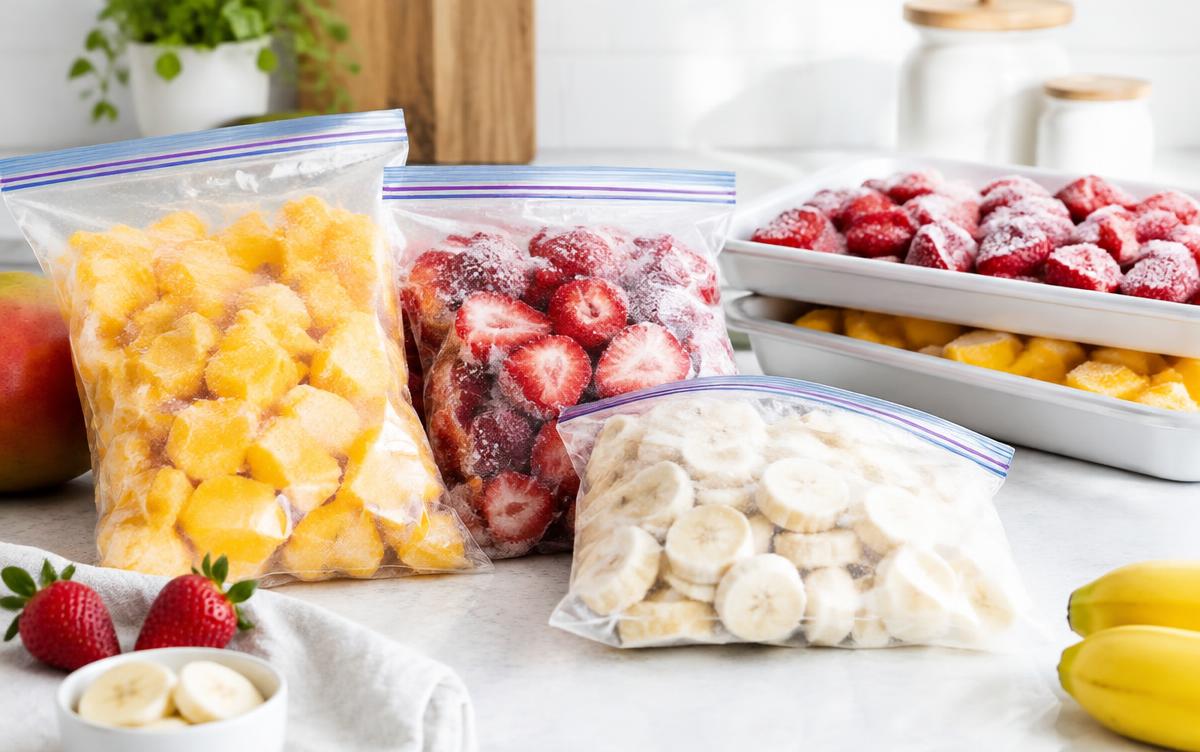
Yes. Wash, dry and freeze them in a single layer. Frozen grapes make a refreshing snack.
Should I wash grapes before storing them?
No. Wash them right before eating; storing them wet encourages mold.
Sources and further reading
This article is for general information only and isn't a substitute for professional medical advice. See our disclaimer.