A practical kiwifruit guide: vitamin C and fiber per fruit, green vs gold kiwi, whether you can eat the skin, how to ripen and store kiwi, and who should be careful.
Kiwifruit is small, inexpensive and remarkably nutrient-dense. One medium green kiwi provides most of an adult's daily vitamin C, a useful amount of fiber, and only around 40–45 calories. This guide explains what kiwi offers, how green and gold varieties differ, whether the fuzzy skin is edible, and how to buy, ripen and store kiwi so less of it goes to waste.
Kiwi nutrition at a glance
According to USDA FoodData Central, one medium green kiwifruit (about 75 g, peeled) contains roughly 42 calories, 10 g of carbohydrate, about 2 g of fiber and around 56 mg of vitamin C. Adult vitamin C recommendations are 75 mg for women and 90 mg for men, so a single kiwi covers a large share of the day.
Kiwi also contributes potassium, vitamin K, vitamin E and folate in smaller amounts. Exact values vary with size, variety and ripeness, so treat these figures as typical rather than precise.
Green vs gold kiwi
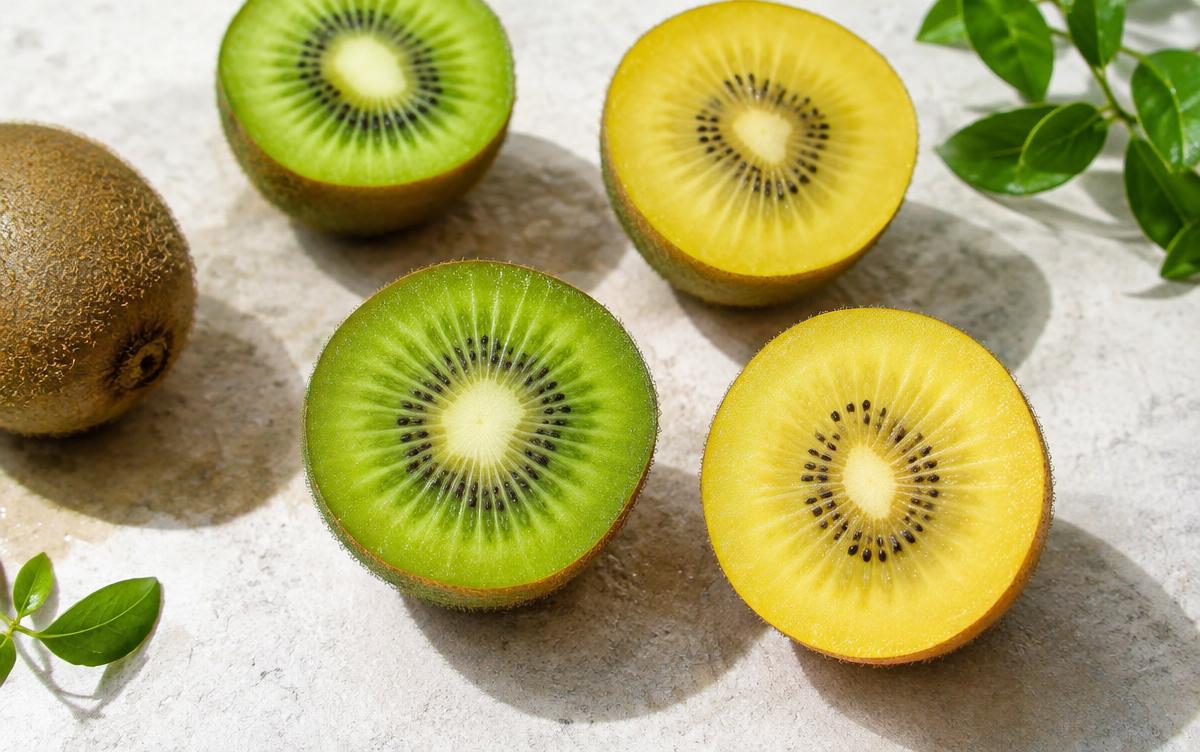
Green kiwi (usually the Hayward variety) is tangy, slightly firmer and a little higher in fiber. Gold kiwi has smooth, nearly hairless skin, sweeter tropical-tasting flesh and generally even more vitamin C per fruit. Both are good choices; pick the one you will actually enjoy eating regularly.
- Green: tart-sweet flavor, fuzzy skin, slightly more fiber.
- Gold: sweeter, smooth skin, often higher vitamin C.
- Both: low in calories and easy to add to breakfast or snacks.
Can you eat kiwi skin?
Yes. Kiwi skin is edible and adds extra fiber. Gold kiwi skin is thin and smooth, so many people eat it without noticing. Green kiwi skin is fuzzy; rubbing it with a clean towel under running water removes much of the fuzz. Wash any fruit you plan to eat unpeeled.
How to ripen and store kiwi
Kiwi ripens after harvest. A ripe kiwi yields slightly to gentle pressure, like a ripe peach. To speed ripening, leave firm kiwis at room temperature or place them in a paper bag with an apple or banana, which release ethylene. Once ripe, refrigerate them; they usually keep for one to two weeks in the fridge.
Who should be careful
Kiwi is a known cause of food allergy, and some people with latex or pollen allergies react to it. Symptoms can range from an itchy mouth to severe reactions; anyone who reacts should seek medical advice. Kiwi contains an enzyme called actinidin, which also tenderizes meat and can make dairy taste bitter if mixed and left to sit.
Simple ways to eat more kiwi
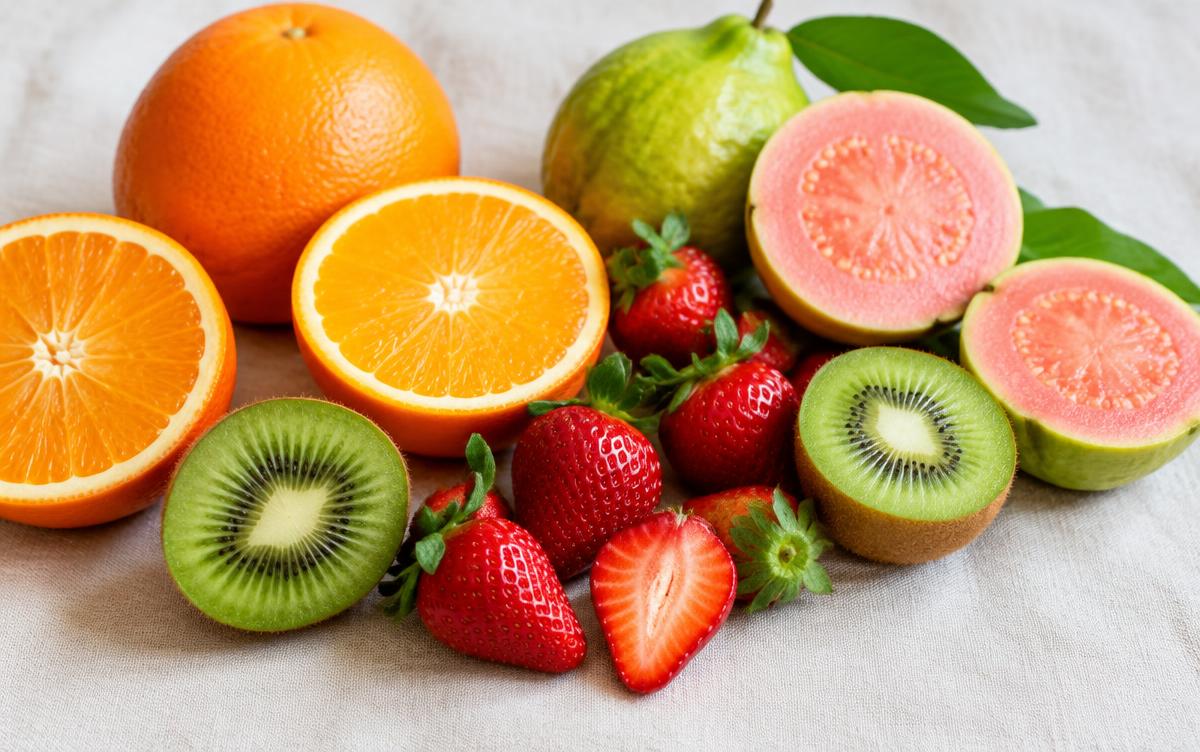
Halve a kiwi and scoop it with a spoon, slice it into yogurt or oatmeal, add it to a fruit salad with berries and citrus, or blend it into a smoothie. Its tartness pairs well with banana, mango and mint.
Frequently asked questions
How many kiwis can I eat a day?
For most healthy people, one to three kiwis a day fits comfortably into the recommended fruit intake. Variety across different fruits is still a good idea.
Is kiwi good for digestion?
Kiwi provides fiber, and some studies suggest eating kiwi regularly may help with occasional constipation. Persistent digestive problems should be discussed with a doctor.
Does kiwi have more vitamin C than an orange?
Weight for weight, kiwi generally contains more vitamin C than orange. Both are excellent sources.
Should I refrigerate unripe kiwi?
No. Ripen kiwi at room temperature first, then refrigerate it once it softens slightly.
Sources and further reading
This article is for general information only and isn't a substitute for professional medical advice. See our disclaimer.