Fruit in the Kitchen
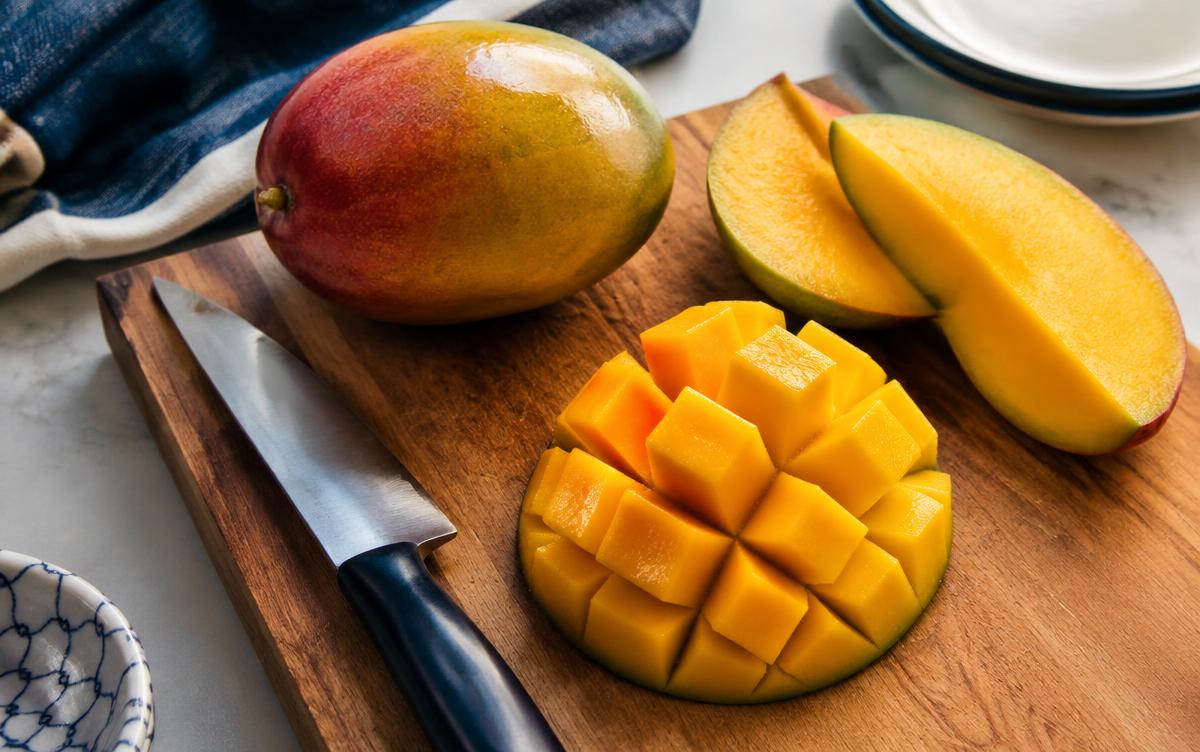
How to Cut a Mango: Three Easy Methods
Step-by-step methods to cut, cube and slice mango cleanly with minimal waste.
El Madhoun Mohamed · August 22, 2026 · 5 min read
Buying Guides
Compare the most common supermarket mangoes — Honey (Ataulfo), Tommy Atkins, Kent, Keitt and Haden — by flavor, fiber, season and best use, plus how to tell when each is ripe.
By Frutino Editorial Team · Published October 23, 2026 · 7 min read
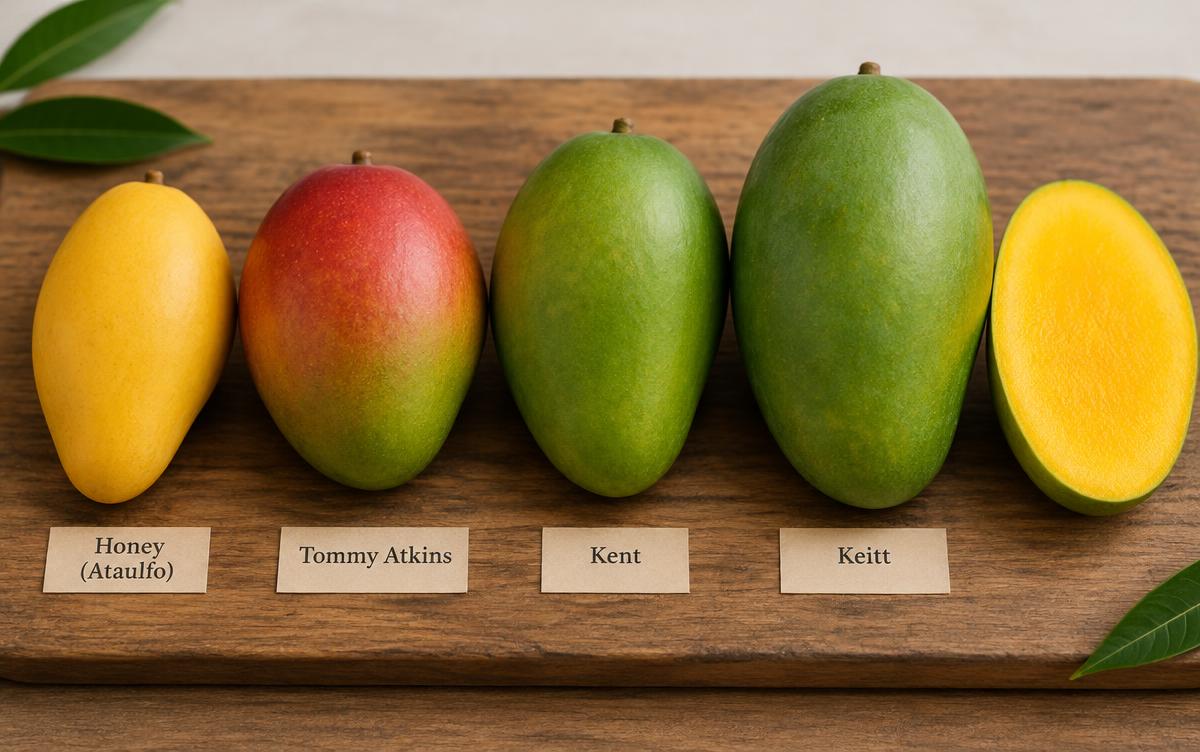
Walk into a US supermarket and you will usually find four or five mango varieties, often without clear labels. They differ more than most shoppers expect: some are buttery and fiber-free, others firm and slightly stringy, and their skin color is a poor guide to ripeness. This guide compares the main varieties so you can choose the right mango for eating fresh, smoothies or salsa.
Mango varieties vary in sweetness, acidity, fibrousness, size and seed proportion. Choosing the right one makes the difference between a silky, sweet fruit and a stringy one that is hard to cut. According to the National Mango Board, most mangoes sold in the US are imported from Mexico, Peru, Ecuador, Brazil, Guatemala and Haiti, so different varieties peak at different points of the year.
Typical characteristics of the varieties you are most likely to see:
Skin color is unreliable: a Keitt can be perfectly ripe while fully green, and a red Tommy Atkins may still be hard. Instead, squeeze gently. A ripe mango gives slightly, like a ripe peach or avocado, and often smells fragrant near the stem. Honey mangoes turn deep golden and may develop fine wrinkles when they are at their sweetest.
Firm mangoes ripen at room temperature in two to seven days; a paper bag speeds this up. Once ripe, refrigerate whole mangoes for up to about five days.
According to USDA FoodData Central, one cup of sliced mango (about 165 g) provides roughly 99 calories, 25 g of carbohydrate, about 2.6 g of fiber and around 60 mg of vitamin C — about two-thirds of an adult's daily needs. Mango also supplies vitamin A (as beta-carotene), folate and copper. Nutrient values are similar across varieties; differences in sweetness reflect sugar-to-acid balance more than large changes in calories.
Match the variety to how you plan to eat it:
Honey (Ataulfo) and Kent are usually considered the sweetest and least fibrous, though flavor depends on ripeness and origin.
Some varieties, such as Tommy Atkins and Haden, naturally contain more fiber. Choosing Honey, Kent or Keitt reduces stringiness.
Mango skin is technically edible but tough and bitter, and it contains urushiol, a compound that can irritate people sensitive to poison ivy. Most people peel it.
Not always. Keitt and some Kent mangoes stay green when ripe. Use gentle pressure and aroma instead of color.
This article is for general information only and isn't a substitute for professional medical advice. See our disclaimer.
Fruit in the Kitchen
Step-by-step methods to cut, cube and slice mango cleanly with minimal waste.
El Madhoun Mohamed · August 22, 2026 · 5 min read
Buying Guides
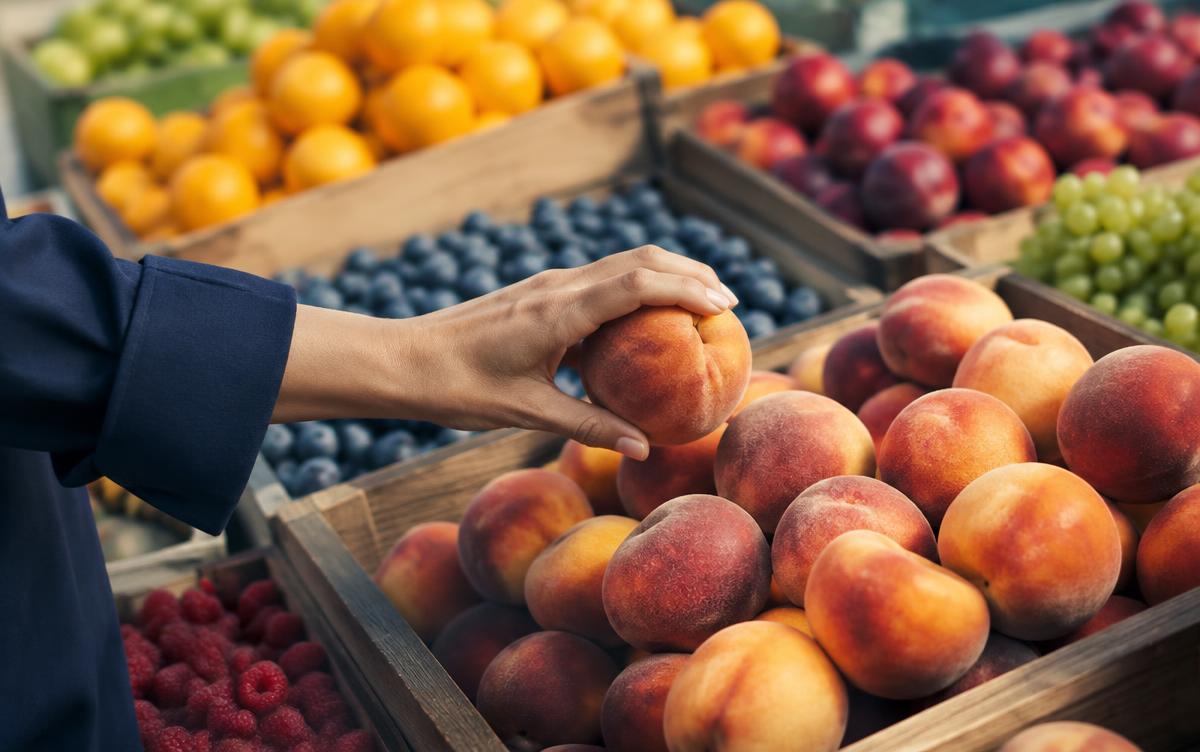
Look, smell and touch tests for picking ripe melons, avocados, pineapples, berries and more.
El Madhoun Mohamed · September 25, 2026 · 8 min read
Fruit Nutrition
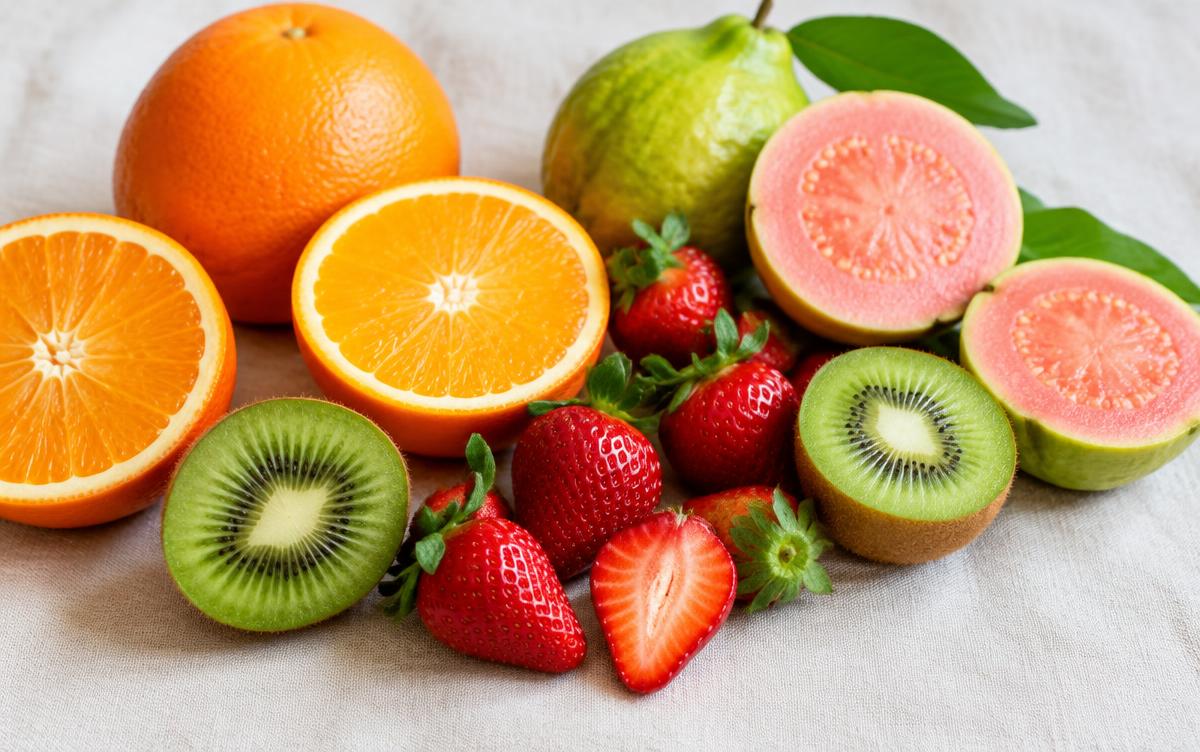
Guava, kiwi, strawberries, oranges and more ranked by vitamin C per serving, plus how much you need and how to keep vitamin C from breaking down.
El Madhoun Mohamed · October 11, 2026 · 8 min read