Bananas aren't the only option: discover fruits high in potassium, what this mineral does for blood pressure and muscles, and who should be careful.
Potassium is one of the nutrients most people fall short on, yet it plays a central role in heart health, muscle function and fluid balance. Bananas are the famous source, but several fruits contain as much or more. Here's what potassium does and where to find it.
What potassium does
Potassium is an electrolyte that helps nerves send signals, muscles contract (including the heart), and cells maintain fluid balance. It also counteracts some of the effects of sodium on blood pressure. Diets rich in potassium from fruit and vegetables are consistently linked with lower blood pressure and reduced stroke risk.
Adult recommendations are around 2,600 mg per day for women and 3,400 mg for men in U.S. guidance, and about 3,500 mg in UK guidance. Most people get less than this.
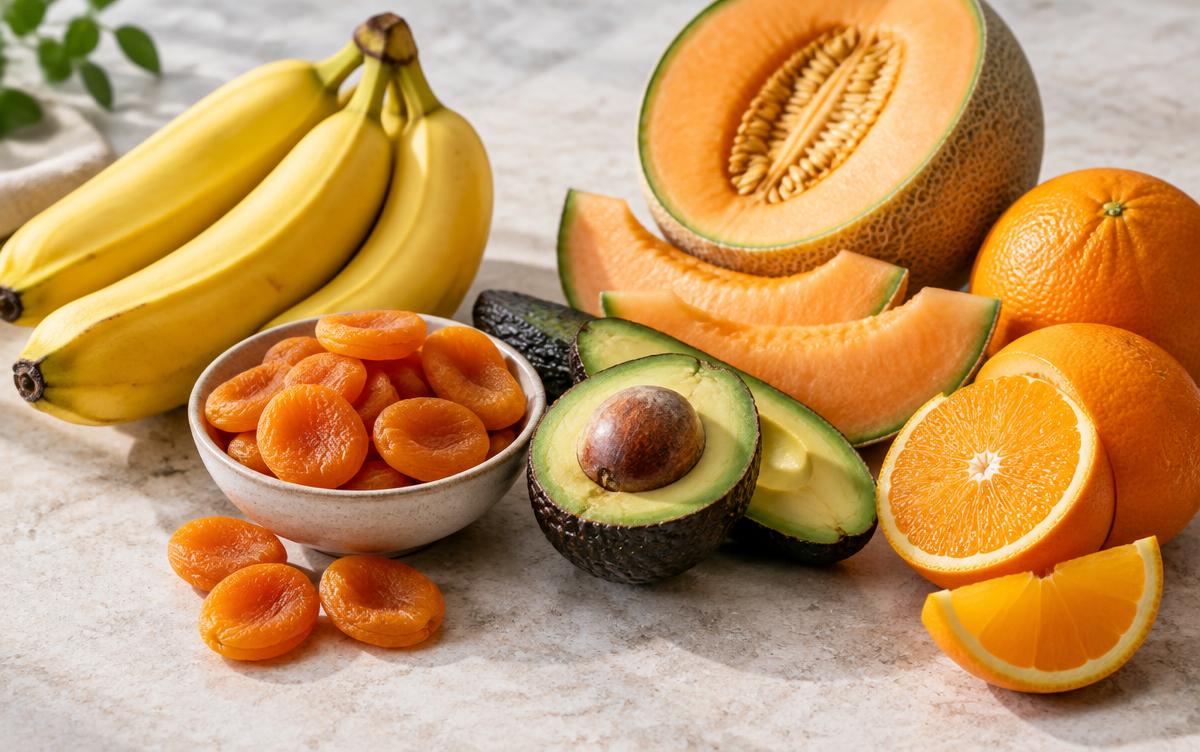
Fruits high in potassium
Approximate potassium per typical serving:
- Dried apricots (1/2 cup): about 750 mg
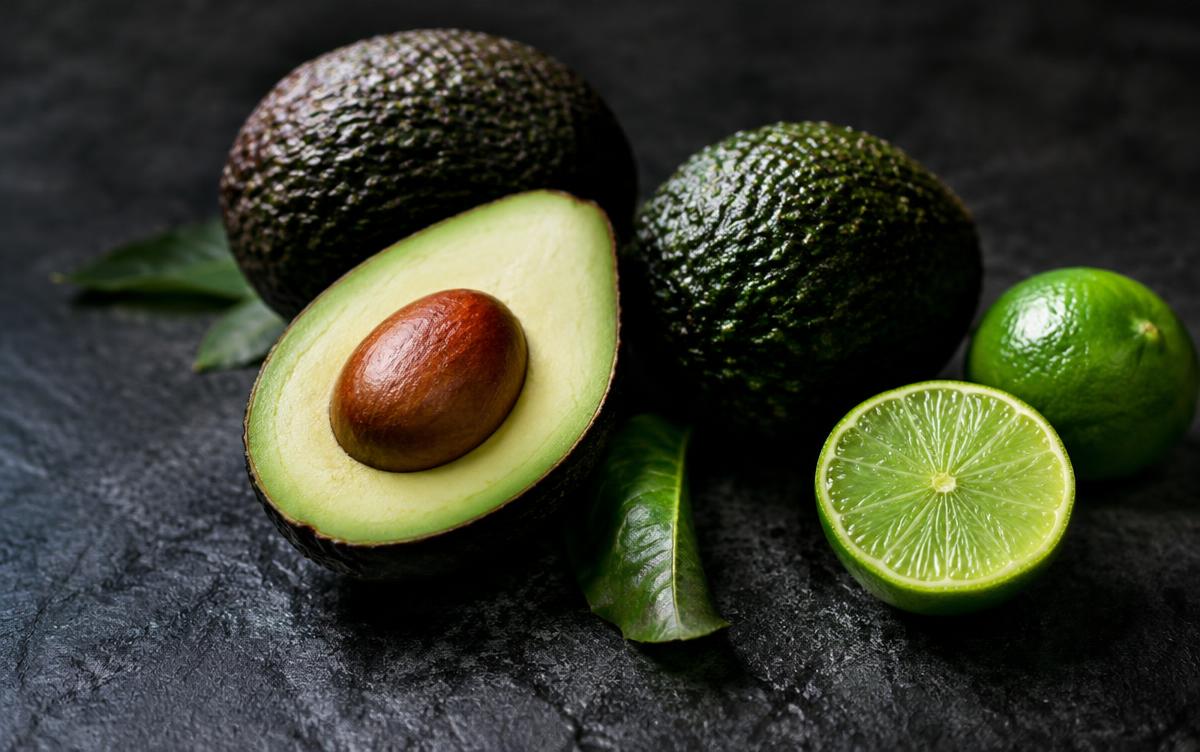
- Avocado (1 whole): about 700 mg
- Cantaloupe (1 cup, cubed): about 430 mg
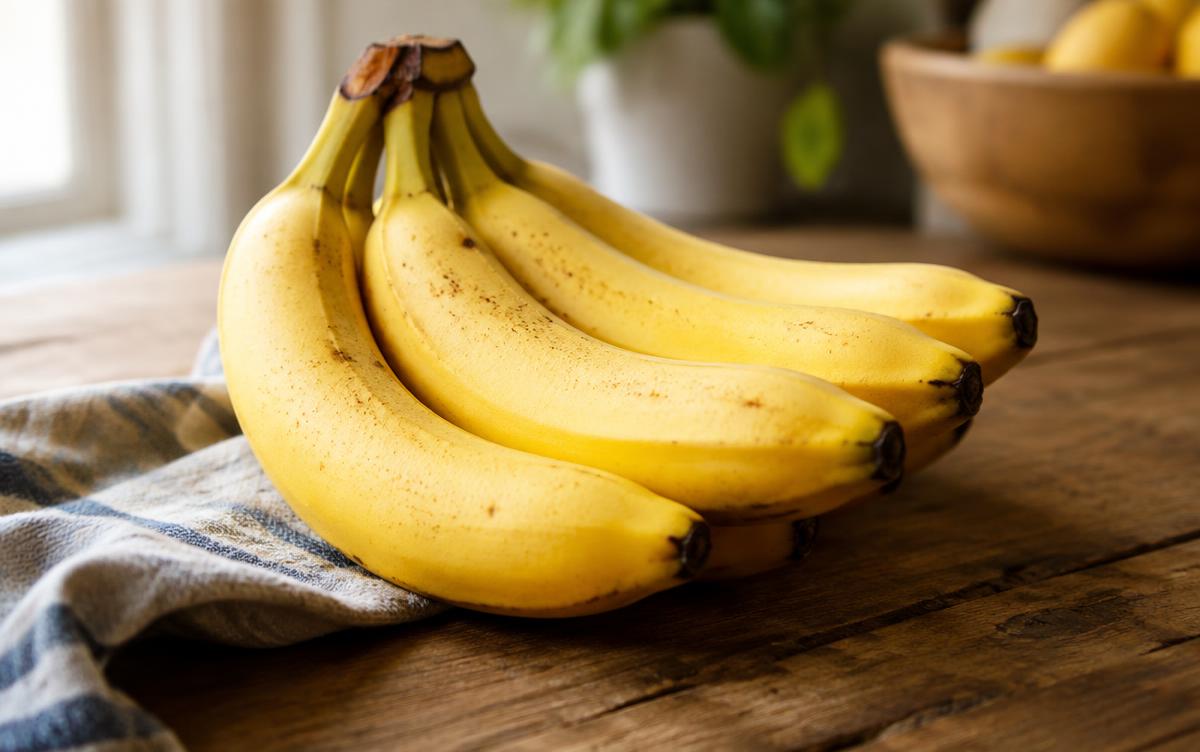
- Banana (1 medium): about 420 mg
- Prunes (1/2 cup): about 640 mg
- Orange (1 large): about 330 mg
- Kiwi (2 medium): about 430 mg
- Pomegranate (1/2 fruit): about 330 mg
- Mango (1 cup): about 280 mg
- Dates (5 Medjool): about 830 mg
Dried fruit: concentrated but calorie-dense
Drying removes water, so dried apricots, prunes and dates pack a lot of potassium into a small portion — along with concentrated sugar and calories. A small handful (around 30 g) is a sensible serving.
Who should be careful
People with chronic kidney disease, and those taking certain medications such as ACE inhibitors, ARBs or potassium-sparing diuretics, may need to limit potassium. High blood potassium can affect heart rhythm. If this applies to you, follow the advice of your doctor or renal dietitian rather than general guidelines.
Easy ways to get more
Add banana to breakfast, snack on an orange or kiwi, include avocado in lunch, and keep a few dried apricots for the afternoon. Combined with vegetables and legumes, these make reaching your potassium target realistic.
Frequently asked questions
Do bananas have the most potassium?
No. Avocados, dried apricots, prunes and dates contain more per serving.
Does potassium lower blood pressure?
Higher potassium intake from food is associated with lower blood pressure, especially combined with less salt.
Can I take potassium supplements?
Only with medical advice; food sources are safer for most people.
This article is for general information only and isn't a substitute for professional medical advice. See our disclaimer.