Seasonal Guides
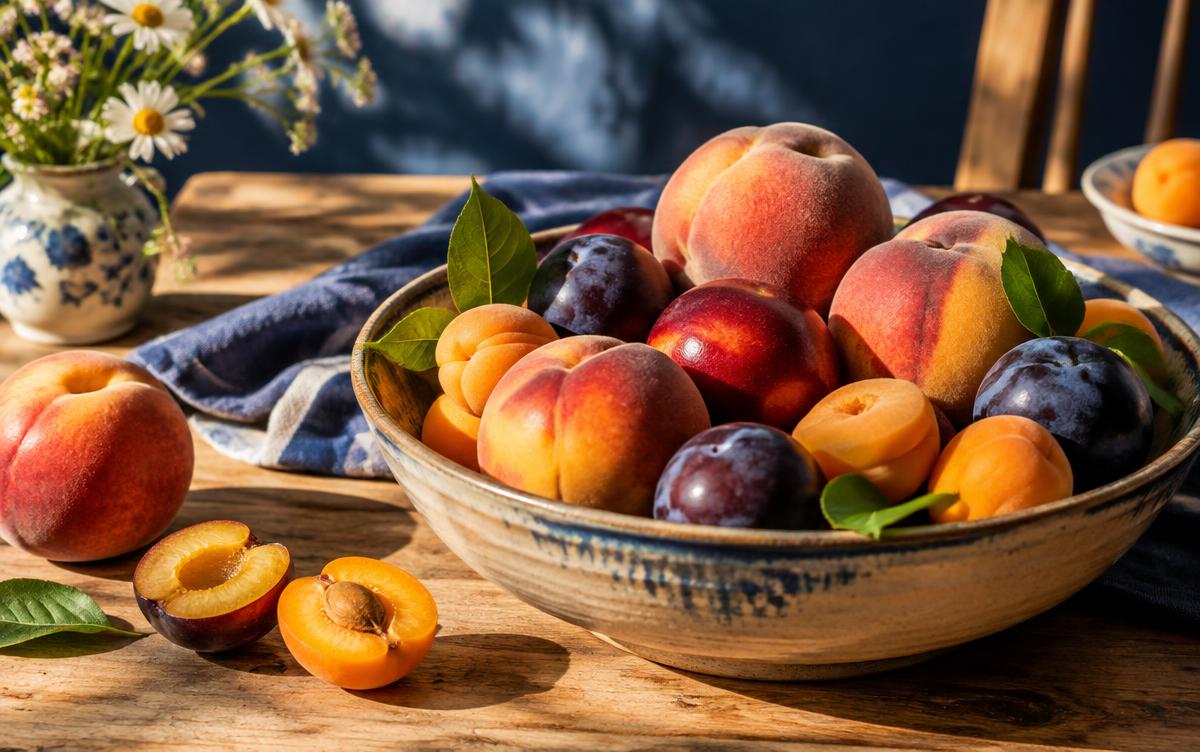
Summer Stone Fruit: Peaches, Plums, Cherries and Apricots
How to pick, ripen and enjoy summer stone fruit, plus the differences between clingstone and freestone.
Claire Moreau · July 15, 2026 · 6 min read
Seasonal Guides
A month-by-month guide to fruit at its peak in the Northern Hemisphere, with tips for buying in season.
By Claire Moreau, Registered Dietitian & Senior Food Researcher · Updated August 28, 2026 · 9 min read · Fact-checked
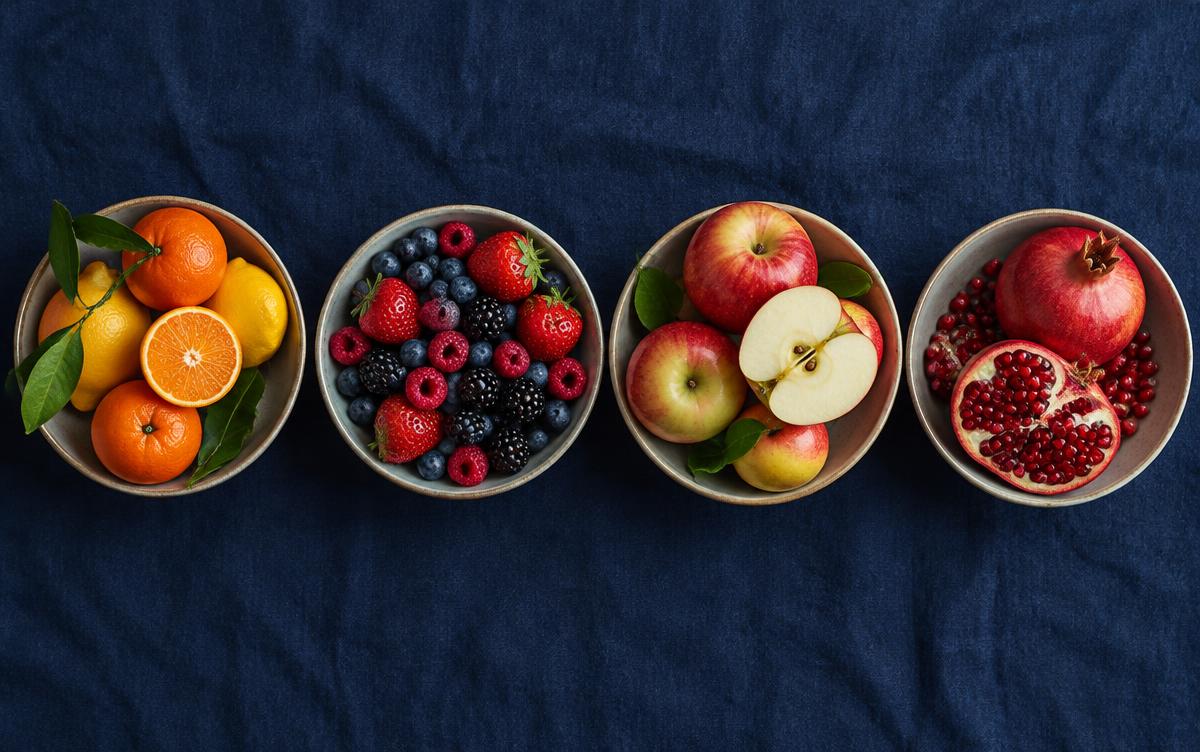
Fruit picked and sold in season usually tastes better and often costs less. This calendar covers typical Northern Hemisphere temperate seasons — local timing varies with climate, so use it as a starting point and ask your growers.
Winter is citrus season. Look for oranges, mandarins, clementines, grapefruit and lemons at their juiciest. Stored apples and pears remain good value, and pomegranates carry on into early winter.
Rhubarb — technically a vegetable but cooked like fruit — arrives first. Late spring brings the first strawberries in warmer regions, while imported citrus begins to fade.
The busiest season of the year. Expect:
Apple and pear harvests peak, alongside grapes, late plums, quince and the first persimmons. Autumn is ideal for stocking up on fruit that stores well.
Farmers' markets and produce boxes make seasonality obvious. In supermarkets, check the country of origin labels: when local fruit appears and prices drop, that is usually peak season.
Fruit harvested ripe and eaten soon after may retain more of certain vitamins, but frozen fruit is also a strong option out of season.
Seasons are roughly reversed, so shift the months by about six.
This article is for general information only and isn't a substitute for professional medical advice. See our disclaimer.
Seasonal Guides
How to pick, ripen and enjoy summer stone fruit, plus the differences between clingstone and freestone.
Claire Moreau · July 15, 2026 · 6 min read
Storage & Ripening
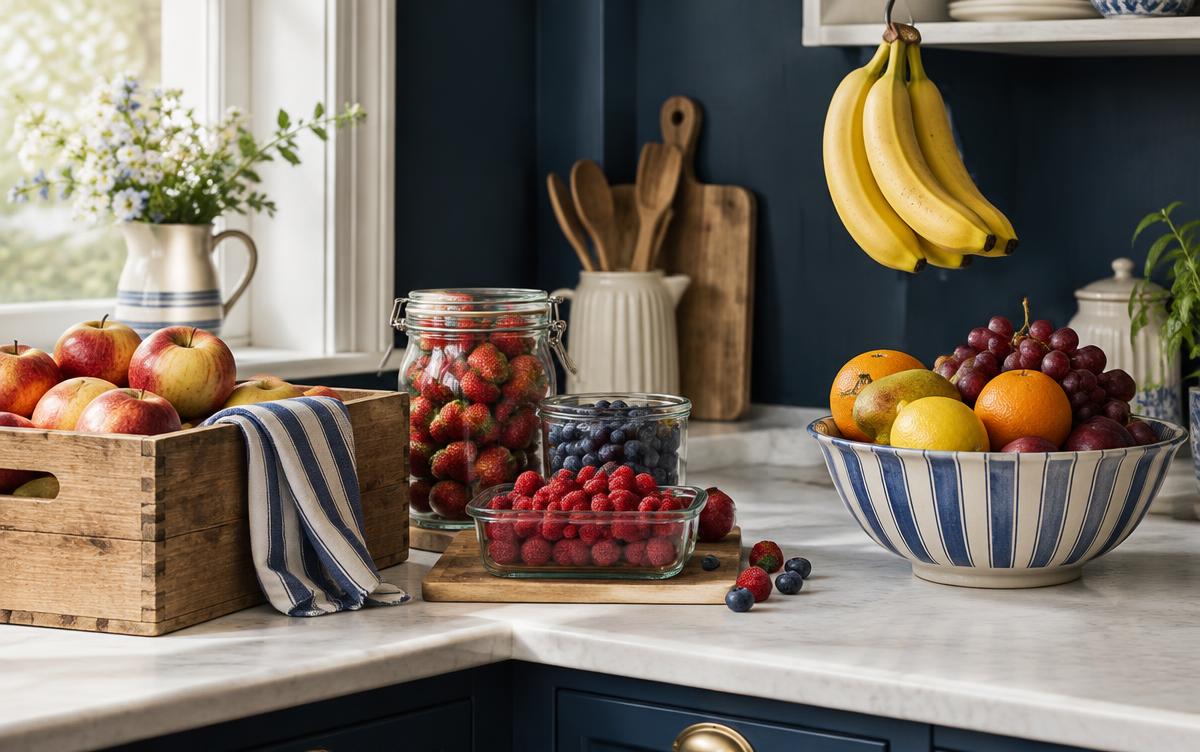
Which fruits belong in the fridge, which on the counter, and how to keep produce fresh for longer.
Claire Moreau · September 20, 2026 · 9 min read