Apples can support a balanced weight-loss plan, but they do not burn fat. Explore calories, fiber, whole apples versus juice and realistic snack ideas.
Yes — apples can be a useful food in a weight-loss eating pattern, especially when they replace a more calorie-dense snack. They provide water, fiber and a satisfying crunch in an easy-to-carry package. But an apple does not burn body fat, and adding one to your usual diet will not automatically make you lose weight. What matters is your overall eating pattern, health needs and whether the change is something you can sustain. Here is a practical look at what apples offer, what the evidence can actually tell us, and how to use them without turning a sensible snack into a rigid diet rule.
What is in a medium apple?
The USDA SNAP-Ed apple guide lists a medium apple weighing about 182 grams at approximately 95 calories and 25 grams of carbohydrate. It supplies about 4 grams of dietary fiber. These figures are estimates for a reference portion: the apples in your fruit bowl may be smaller or larger, and varieties differ.
Most of the weight of a fresh apple is water. That gives it volume without the energy density of many pastries, candies or fried snacks. It is still a carbohydrate-containing food, not a calorie-free one. Keeping the edible skin adds fiber; rinse the fruit under running water before eating.
- Reference serving: one medium apple, around 182 grams.
- Energy: approximately 95 calories.
- Total carbohydrate: approximately 25 grams.
- Dietary fiber: approximately 4 grams.
Why a whole apple may help you feel satisfied
An apple requires chewing and contains both water and fiber. These qualities can make it a more substantial eating experience than quickly drinking juice. The CDC explains that the water and fiber in fruit and vegetables add volume, helping people feel full with fewer calories when these foods replace more energy-dense options.
A controlled study in healthy adults compared whole apple, apple puree and apple juice. Whole apple produced greater fullness and slower stomach emptying than the processed forms. This supports choosing whole fruit for satiety, but a short-term laboratory finding does not prove that eating apples causes long-term weight loss. Hunger also varies with the rest of your meal, sleep, activity and personal circumstances.
Replacement matters more than simply adding an apple
The CDC emphasizes substituting fruit and vegetables for higher-calorie foods rather than simply adding them to everything you already eat. If you choose an apple instead of your usual calorie-dense snack, your overall intake may decrease. If you eat the usual snack and then add an apple, you have added energy as well as nutrients.
This does not mean you must count every calorie or avoid all desserts. Think about a practical change you genuinely enjoy: an apple instead of a frequently eaten pastry, or apple slices replacing part of a richer dessert. Weight change depends on the overall balance of energy intake and use over time, and medical conditions, medications and other factors can influence the result. No single food guarantees it.
Whole apples versus juice, applesauce and dried apples
Whole apples are usually the strongest option when fullness is the goal. Apple juice has much less fiber and is easy to drink quickly. '100% juice' describes the ingredients, not a promise that the drink is equally filling or has no calories.
Unsweetened applesauce can be a useful alternative when chewing is difficult or when you enjoy it with a meal. It still contributes carbohydrate, and sweetened versions may contain added sugar. The satiety study suggests that puree and whole apples are not interchangeable for short-term fullness, but it does not make applesauce a forbidden food.
Dried apples remove much of the water, concentrating energy into a smaller volume. Some packaged apple chips also contain added oil or sugar. Check the ingredients and serving size instead of assuming a large bag is nutritionally equivalent to one fresh apple. Fresh, dried and cooked apples can all fit a balanced plan; the form and portion affect what you get.
Are green apples better than red apples?
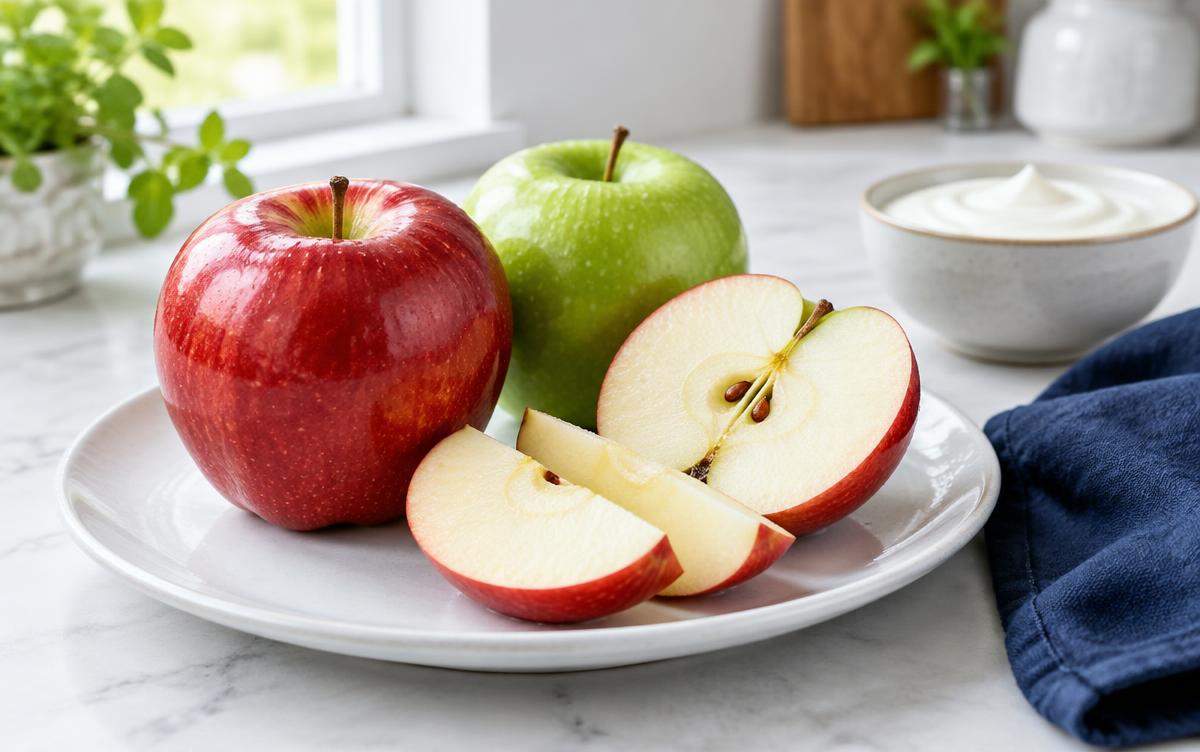
There is no convincing reason to choose an apple by color as a fat-loss strategy. Green apples may taste more tart, but tartness does not make them a special weight-loss food. Portion size and the food an apple replaces are more useful considerations than the color of its skin.
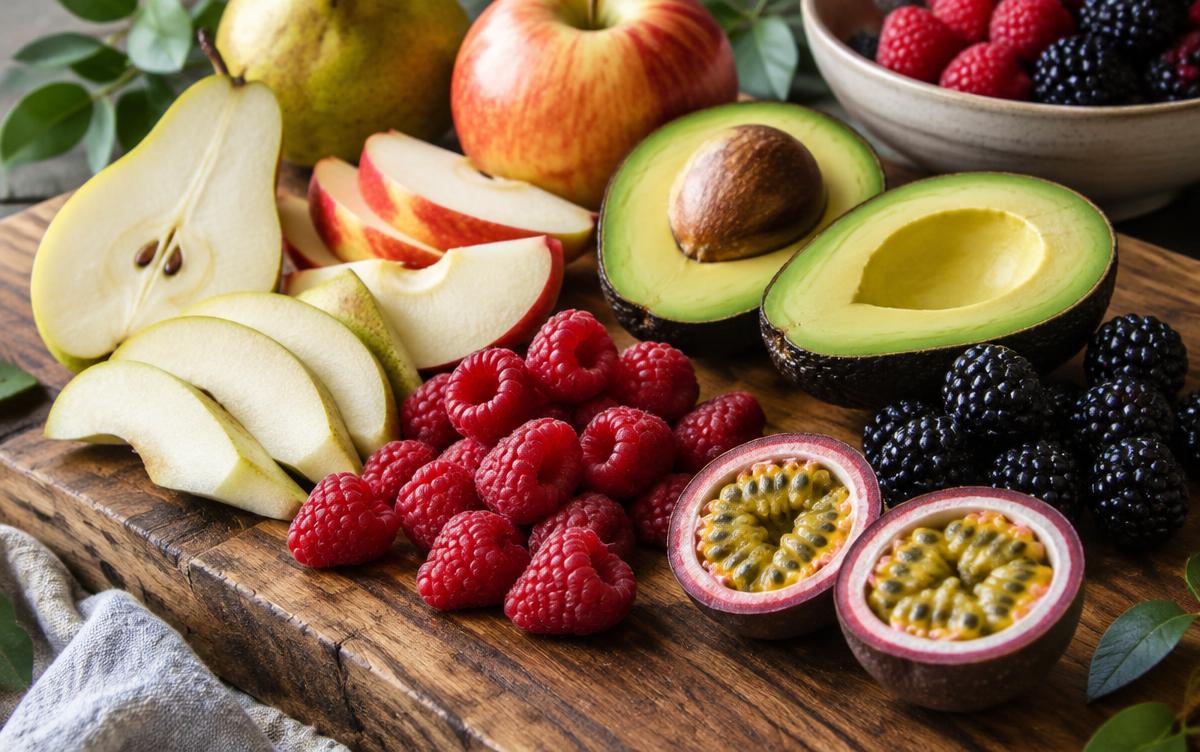
Choose a variety you enjoy enough to eat regularly. A crisp tart apple, a sweet red one or an inexpensive seasonal variety can all serve the same practical role. Variety is also worthwhile: pears, citrus and berries offer other flavors and nutrients, so there is no need to build your entire fruit intake around apples.
Simple ways to include apples without a restrictive diet
An apple by itself may be enough for a light snack. If you need something more substantial, pairing it with a source of protein or fat can make the snack more satisfying. The additions contribute energy too, so choose an amount that fits your needs rather than treating them as unlimited.
- Slice an apple into plain yogurt for a snack with protein.
- Serve apple wedges with a modest amount of unsweetened nut butter.
- Add chopped apple to oats rather than relying on heavily sweetened toppings.
- Bake an apple with cinnamon; remember that butter, syrup or sugar changes the energy content.
- Keep washed apples available so choosing fruit is as convenient as opening a packet.
How many apples should you eat, and when?
There is no evidence-based number of apples that guarantees weight loss, and no special time of day that makes them burn fat. One apple can be a convenient snack or part of a meal, but it is not a required daily dose. Your total fruit intake should fit a varied diet alongside vegetables, protein foods, whole grains and other foods you need.
An apple before a meal may help some people feel less hungry, but it is not necessary and does not guarantee that they will eat less overall. Choose a time that works for your routine. Avoid apple-only diets or replacing several balanced meals with fruit: apples alone cannot provide all the protein, fat and micronutrients a person needs.
When you may need a different approach
Some people with irritable bowel syndrome find apples trigger bloating or discomfort. If that happens, try a fruit you tolerate and discuss persistent symptoms with a clinician rather than forcing yourself to eat apples for weight loss. People with diabetes should account for an apple's carbohydrate within their individualized plan.
Weight-loss advice is not appropriate for everyone. If you are pregnant, underweight, recovering from an eating disorder or managing a condition that affects nutritional needs, speak with a qualified healthcare professional before deliberately restricting food. A food's value is not limited to whether it changes the number on a scale.
The bottom line
Apples are a convenient source of fiber and water that can help make a balanced eating pattern more satisfying. Choose whole apples most often, pay attention to portions and toppings, and use them as a replacement when that makes sense. Their benefit comes from how they fit your life and overall diet — not a fat-burning property or a promise of rapid results.
Frequently asked questions
Do apples burn belly fat?
No. Apples do not selectively burn fat from the abdomen or any other body area. They can fit a balanced eating plan, but body-fat changes depend on many factors over time.
Is eating an apple at night bad for weight loss?
Not inherently. There is no special apple cut-off time. Whether a snack fits your needs depends on your overall eating pattern, hunger and any individual medical advice.
Is apple juice as filling as a whole apple?
Generally no. Juice contains much less fiber, and controlled research has found greater short-term fullness after whole apples than apple juice. This does not by itself prove long-term weight loss.
Should I peel an apple to reduce calories?
Peeling is not a useful weight-loss strategy and removes some fiber. Keep the skin if you enjoy and tolerate it, after washing the fruit. Peel it if needed for your comfort or medical advice.
Sources and further reading
This article is for general information only and isn't a substitute for professional medical advice. See our disclaimer.