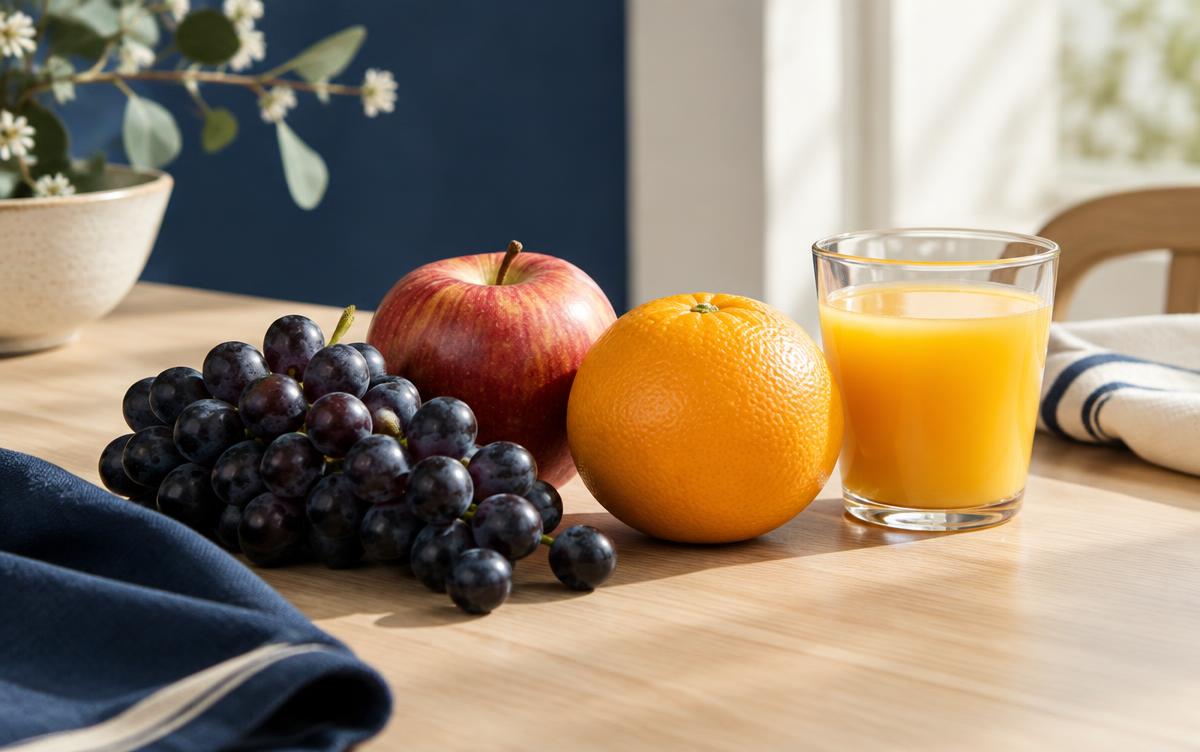
Fruit Nutrition
Fruit Sugar Explained: Should You Worry About Fructose?
A clear look at natural sugars in fruit, how fiber changes their effect, and which fruits are lower in sugar.
El Madhoun Mohamed · September 2, 2026 · 7 min read
Fruit Nutrition
Yes, fruit can fit a diabetes eating plan. Learn about whole fruit, carbohydrate portions, juice, dried fruit and when to ask for personalized advice.
By Frutino Editorial Team · Published October 12, 2026 · 7 min read

Yes — most people with diabetes can eat fruit as part of a balanced, individualized eating plan. Having diabetes does not automatically mean giving up apples, berries or bananas. Fruit supplies fiber, vitamins and minerals, but it also contains carbohydrate that can raise blood glucose. The useful question is not simply whether fruit is allowed: it is how much you eat, in what form, and how it fits the rest of your meal. This guide explains general advice from the American Diabetes Association (ADA) and the Centers for Disease Control and Prevention (CDC), not a personal treatment plan.
The ADA recommends fresh, frozen or canned fruit without added sugars as good choices. Whole fruit brings more than sweetness: it contains water and fiber alongside its natural sugars. Avoiding all fruit can remove a convenient source of nutrients without necessarily solving blood glucose difficulties.
Nevertheless, natural sugar still counts. Carbohydrate from fruit contributes to the total in a meal, just as carbohydrate from bread, milk or rice does. A bowl of fruit is not a carbohydrate-free food, and a food does not become unlimited because it is nutritious. Your appropriate amount depends on your eating plan, medication, activity and other health needs.
According to the ADA, a small piece of whole fruit or about half a cup of frozen or canned fruit typically contains around 15 grams of carbohydrate. Most fresh berries and melons need roughly three-quarters to one cup to provide that amount. These are approximate carbohydrate-counting examples, not identical servings for every variety or size.
A carbohydrate serving is a planning unit, not a daily limit and not an insulin dose. For packaged fruit, check the total carbohydrate on the nutrition label and the serving size. For fresh fruit, a reliable food database or the portion guide provided by your diabetes team can help. An unusually large apple may contain substantially more carbohydrate than a small one.
Not automatically. Sweeter-tasting fruit is not inherently forbidden. Bananas, grapes and mangoes can fit a plan when their portion and carbohydrate contribution are considered. Eating from a large bunch of grapes or a large bowl of mango makes it easy to lose track of the amount, so serving some onto a plate first can help.
There is no single best fruit for everyone with diabetes. Berries, apples, pears and citrus offer useful variety, but your preferences, cost and individual glucose response matter too. Glycemic index describes one aspect of a food's response; it does not account for the amount you actually eat or the whole mixed meal. A low-glycemic food can still supply a large amount of carbohydrate in a large portion.
The CDC notes that drinking fruit juice raises blood glucose faster than eating whole fruit. Juice generally contains much less fiber, requires little chewing and is easy to drink in large amounts. Even 100% juice with no added sugar contains carbohydrate. Whole fruit is usually the more useful everyday choice.
A smoothie retains more fiber when the whole edible fruit is blended, but it may combine several portions plus milk, sweetened yogurt or juice. Its total carbohydrate depends on the recipe and glass size. Blending is not a way to make carbohydrate disappear.
Dried fruit can also fit, but the portion is small. The ADA gives two tablespoons of raisins or dried cherries as an example containing about 15 grams of carbohydrate. This is very different from two tablespoons of fresh berries. Measure dried fruit and check whether sugar has been added rather than eating directly from a large packet.
Start with a fruit you enjoy and a portion that fits your existing plan. You might have berries with unsweetened yogurt, a small orange with lunch, or sliced pear as part of a snack. These are options, not a recommended schedule or a requirement to eat three fruit portions daily.
Protein, fat and fiber in a mixed meal can change how quickly carbohydrate is absorbed. Pairing fruit with plain yogurt or nuts may make a snack more satisfying, but it does not cancel the carbohydrate or guarantee a flat glucose response. If you have been advised to monitor glucose, use your team's instructions to interpret patterns rather than judging a fruit from one isolated reading.
Fresh fruit is not the only option. Unsweetened frozen berries and fruit canned without added sugars can be convenient and affordable. Read both the ingredients and the nutrition label: 'no added sugar' does not mean 'no carbohydrate.' Fruit packed in syrup adds another source of sugar.
Wash fresh fruit under running water before eating and refrigerate cut fruit promptly. Ordinary fruit usually offers all you need; expensive products marketed as specially suitable for diabetes are not necessary to make a balanced snack.
Ask your diabetes care team about portions if glucose regularly runs outside your agreed target, you use mealtime insulin, you are pregnant, or you also have kidney disease or another condition affecting food choices. Kidney disease can change advice about potassium-rich fruit. Do not change medication or insulin doses based on this article.
Low blood glucose is a separate situation from routine meal planning. Whole fruit is not the preferred fast-acting treatment because its fiber can slow absorption. Follow your prescribed hypoglycemia plan; if someone is unconscious or cannot swallow safely, do not give food or drink and seek emergency help.
Diabetes does not usually require eliminating fruit. Choose mostly whole fruit, pay attention to total carbohydrate and portions, and adapt the advice with your healthcare team. A sustainable eating plan should make room for foods you enjoy rather than relying on a universal list of banned fruits.
Many can include fruit regularly. The amount should fit their individualized carbohydrate and meal plan; there is no one daily fruit allowance for everyone with type 2 diabetes.
Yes. Choose frozen fruit without added sugars, and count its carbohydrate in the portion you eat. Sweetened mixes and smoothie packs may include other ingredients.
Do not automatically use a 'net carb' calculation. Use the carbohydrate-counting method your diabetes team has taught you, particularly if you take mealtime insulin.
No. Fruit can be part of a balanced eating pattern, but it does not cure diabetes or replace prescribed medication, monitoring or follow-up care.
This article is for general information only and isn't a substitute for professional medical advice. See our disclaimer.
Fruit Nutrition
A clear look at natural sugars in fruit, how fiber changes their effect, and which fruits are lower in sugar.
El Madhoun Mohamed · September 2, 2026 · 7 min read
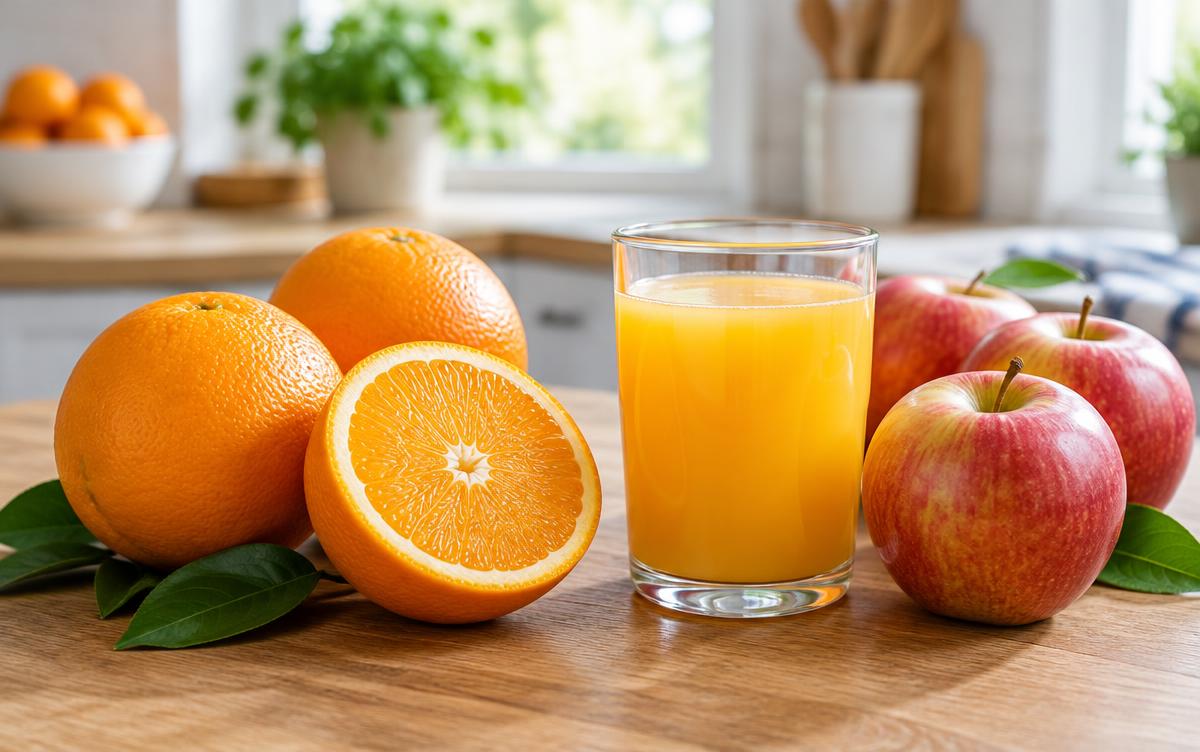
Fruit Nutrition
How juicing changes fiber, sugar, fullness and blood sugar response — and how to enjoy juice sensibly as part of a healthy diet.
El Madhoun Mohamed · October 11, 2026 · 8 min read
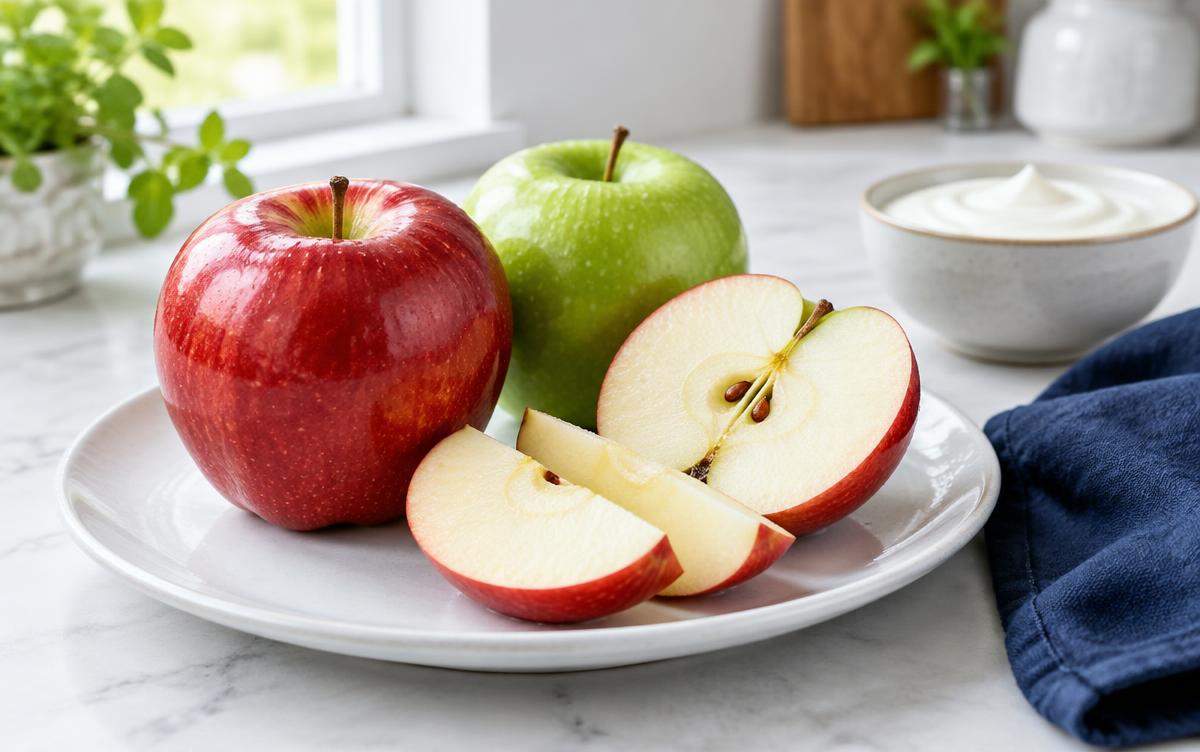
Fruit Nutrition
Apples can support a balanced weight-loss plan, but they do not burn fat. Explore calories, fiber, whole apples versus juice and realistic snack ideas.
Frutino Editorial Team · October 12, 2026 · 7 min read