No fruit burns fat on its own, but berries, apples, pears, citrus, melon and kiwi can make a lower-calorie diet more filling. See the numbers and practical tips.
Search for 'fat-burning fruits' and you will find grapefruit diets, lemon-water cleanses and lists of 'negative-calorie' foods. The honest answer is simpler: no fruit burns body fat by itself. Fat loss happens when, over time, you take in less energy than your body uses. What fruit can do is make that easier. Many fruits are high in water and fiber and relatively low in calories, so they add volume and satisfaction to meals and snacks — especially when they replace more energy-dense foods. This guide ranks the fruits that do this best, using standard nutrition data, and explains how to use them without falling for myths.
Why 'fat-burning fruit' is a myth
No food selectively melts fat from your belly, thighs or anywhere else. Claims about grapefruit enzymes, pineapple bromelain or 'negative-calorie' fruits are not supported by good evidence: digesting a food uses only a small fraction of the energy it contains.
Body weight depends on your overall energy balance across weeks and months, along with sleep, activity, medications, health conditions and genetics. Fruit is a helpful tool within that picture, not a shortcut around it.
What makes a fruit helpful for weight loss
The CDC explains that the water and fiber in fruits and vegetables add volume, helping people feel full on fewer calories when these foods replace higher-calorie options. This idea is called low energy density: more food by weight for fewer calories. Three features matter most:
- High water content, which adds weight and volume without calories.
- Fiber, which slows digestion and requires chewing.
- Natural sweetness that can stand in for desserts and sugary snacks.
The best fruits, ranked by fullness per calorie
Approximate values per typical serving, based on USDA FoodData Central reference data. Real fruit varies with size and variety.
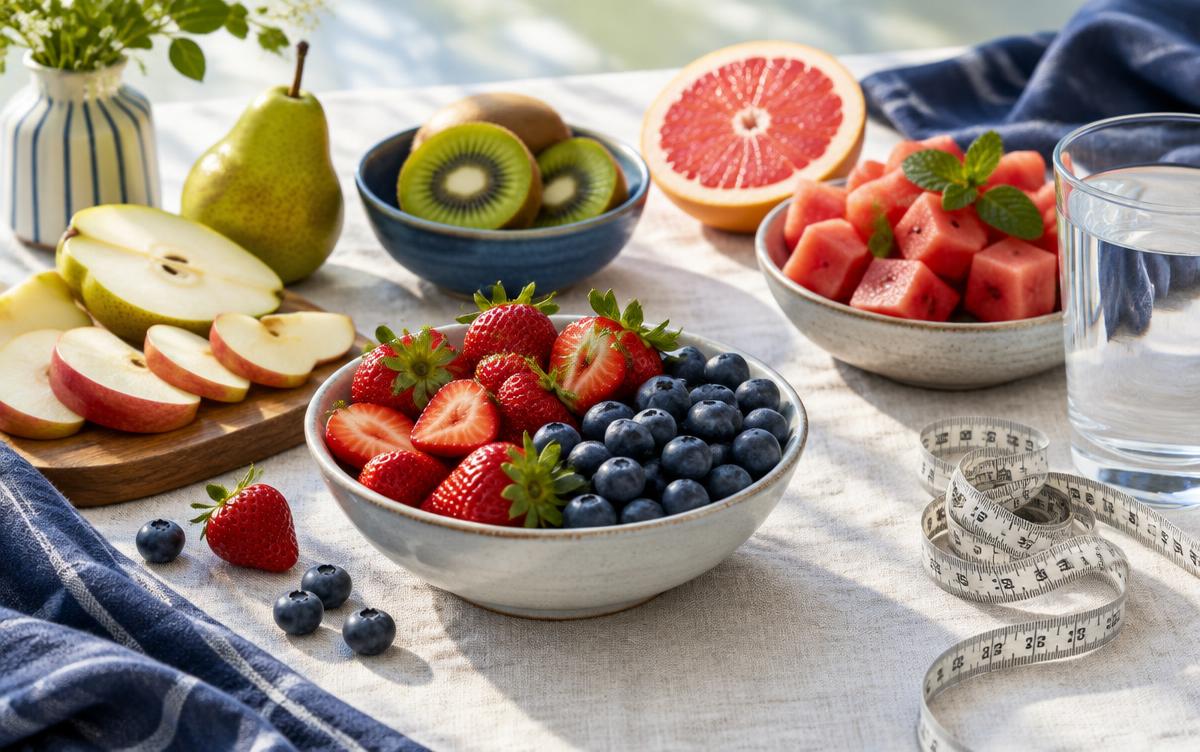
- Strawberries (1 cup, halves, ~150 g): about 50 calories and 3 g fiber.
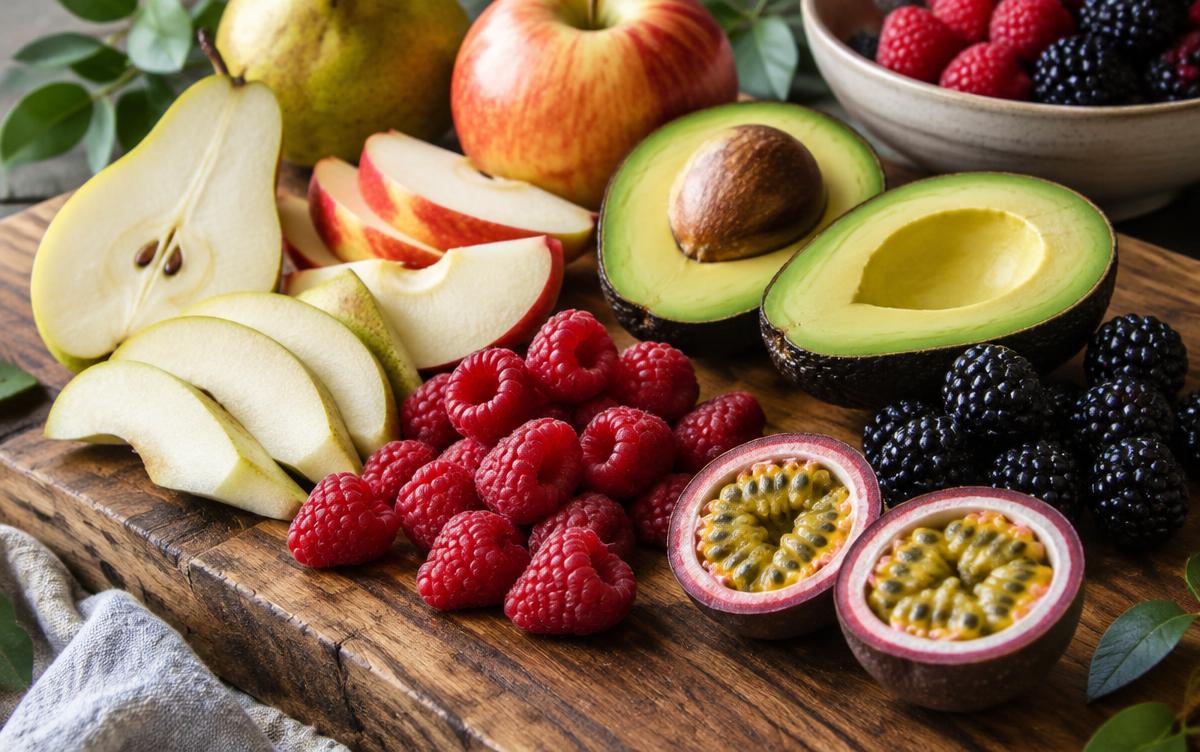
- Raspberries (1 cup, ~123 g): about 64 calories and 8 g fiber — one of the highest-fiber fruits.
- Watermelon (1 cup, diced, ~152 g): about 46 calories; over 90% water.
- Grapefruit (half, ~123 g): about 52 calories and 2 g fiber.
- Kiwi (2 medium, ~150 g): about 90 calories and 4 g fiber.
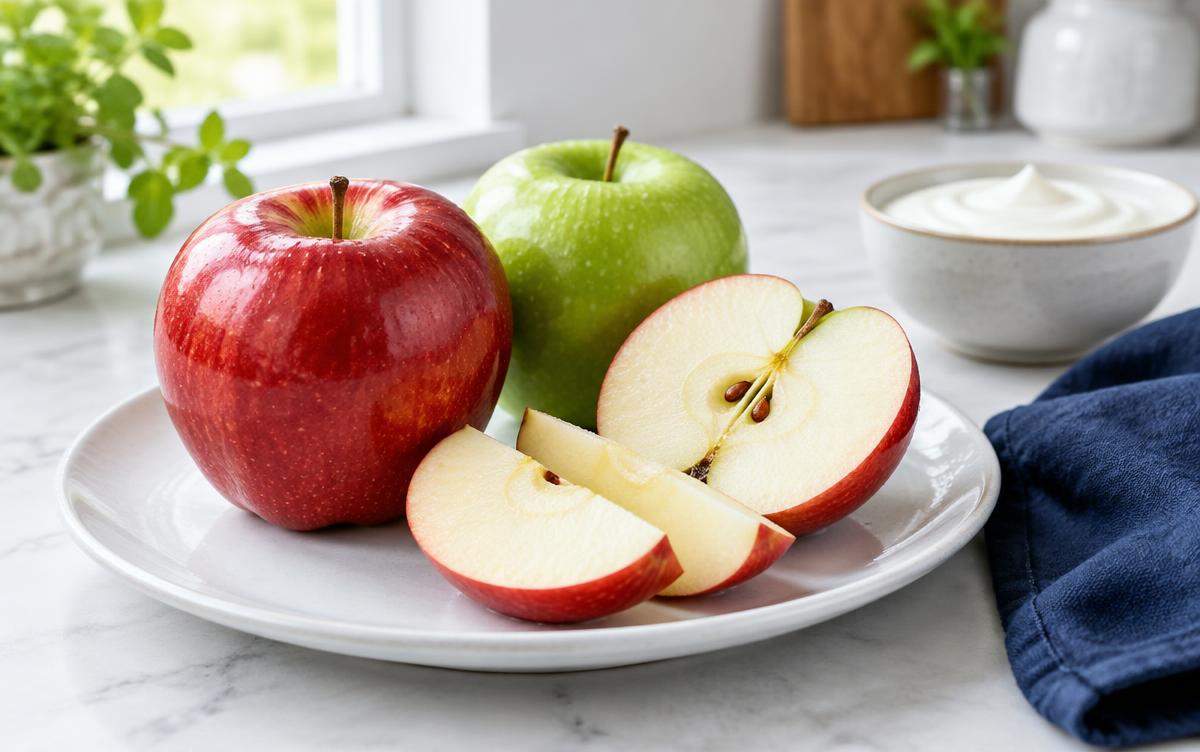
- Apple (1 medium, ~182 g): about 95 calories and 4 g fiber.
- Pear (1 medium, ~178 g): about 100 calories and 5–6 g fiber.
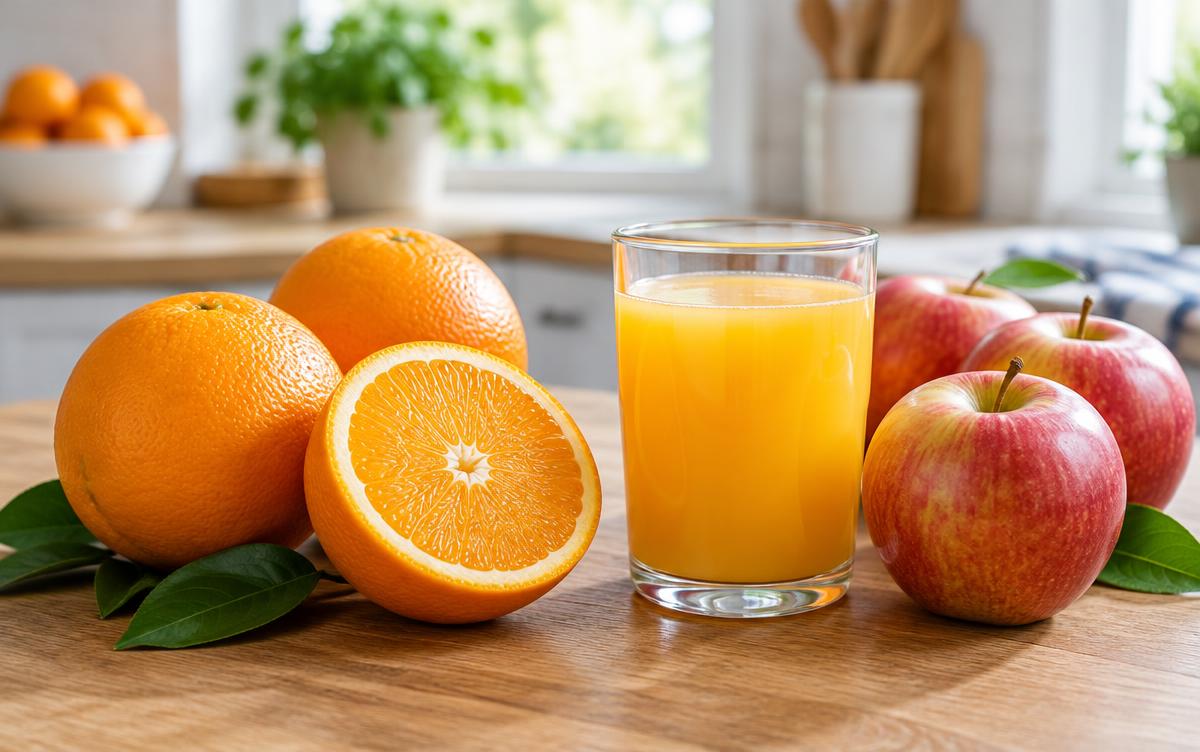
- Orange (1 medium, ~130 g): about 62 calories and 3 g fiber.
Berries: the strongest all-round choice
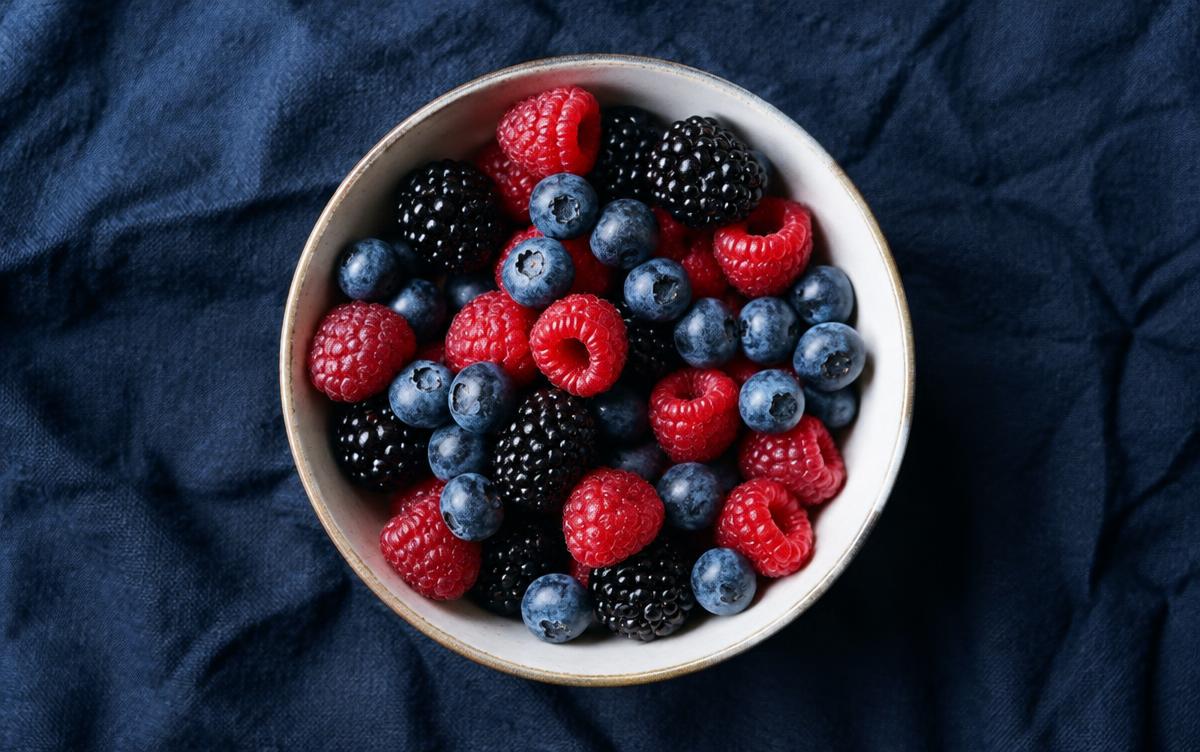
Berries combine low calories with high fiber, and they work in breakfasts, snacks and desserts. Frozen unsweetened berries are just as useful as fresh and often cheaper out of season. Stir them into plain yogurt or oats instead of sweetened toppings.
Apples, pears and citrus: portable and filling
Apples and pears need chewing and carry their fiber in the skin, so eat them unpeeled after washing. A controlled study found whole apples produced more short-term fullness than apple purée or juice. Oranges and grapefruit add water and vitamin C; if you take medication, check with a pharmacist before eating grapefruit regularly, because it interacts with several common drugs.
Melons: maximum volume, minimal calories
Watermelon and cantaloupe are mostly water. A large bowl provides relatively few calories, which makes melon useful when you want to eat a satisfying amount. Melons contain less fiber than berries or pears, so pairing them with a protein food can keep you full longer.
Fruits to portion more carefully
No fruit is forbidden, but some are easier to overeat. Dried fruit has had its water removed, concentrating calories into a small handful. Fruit juice — even 100% juice — loses most of its fiber and is quickly consumed. Smoothies can combine several fruit portions plus juice or sweetened yogurt. Bananas, mangoes and grapes are nutritious, but measure them occasionally so you know what your usual portion contains.
How to use fruit in a weight-loss plan
The most important principle is replacement, not addition. Adding fruit on top of your usual meals adds calories; swapping it for a pastry, candy or chips is where the benefit comes from.
- Replace one daily dessert or packaged snack with whole fruit.
- Fill part of your breakfast bowl with berries instead of extra cereal or syrup.
- Pair fruit with protein — plain yogurt, cottage cheese or a few nuts — for a more lasting snack.
- Keep washed fruit visible and ready so it is the easiest choice.
- Choose whole fruit over juice most of the time.
Who should get personalized advice
People with diabetes should fit fruit into their individualized carbohydrate plan. People with kidney disease may need to limit some high-potassium fruits. If you are pregnant, underweight, have a history of disordered eating, or take medication that interacts with grapefruit, speak with a qualified healthcare professional before changing your diet to lose weight.
The bottom line
Fruit does not burn fat, but it can make eating less feel easier. Berries, apples, pears, citrus, melon and kiwi offer the most fullness for their calories. Eat them whole, use them in place of more calorie-dense foods, and build them into a balanced, sustainable diet rather than a short-term fruit-only plan.
Frequently asked questions
Which fruit burns the most belly fat?
None. No fruit targets belly fat. Fruits such as berries, apples and pears can support fat loss indirectly by making a lower-calorie diet more filling.
Does grapefruit really help you lose weight?
Evidence for a special fat-burning effect is weak. Grapefruit is low in calories and filling, but it interacts with several medications, so check with a pharmacist if you take any.
Can I eat fruit at night when trying to lose weight?
Yes. There is no cut-off time that makes fruit fattening. What matters is your total intake over the day and week.
Is a fruit-only diet good for weight loss?
No. A fruit-only diet lacks enough protein, fats and several nutrients, and it is hard to sustain. Include fruit within a varied, balanced diet.
How much fruit should I eat per day?
U.S. guidelines suggest about 1.5–2 cups of fruit per day for most adults, mostly as whole fruit, though individual needs vary.
Sources and further reading
This article is for general information only and isn't a substitute for professional medical advice. See our disclaimer.