Beginner's guide to growing raspberries: summer vs everbearing types, site and soil, planting canes, trellising and the simple pruning rules for each type.
Raspberries are one of the most productive fruits for a home garden: a short row can supply fresh berries for weeks. They are easy to grow once you understand which type you have and how to prune it. This guide summarizes advice from university extension services.
Summer-bearing vs everbearing
Summer-bearing (floricane) raspberries fruit once, in early-to-mid summer, on canes that grew the previous year. Everbearing or fall-bearing (primocane) raspberries fruit in late summer and autumn on canes that grew that same season, and can give a second small crop the following early summer. Fall-bearing types are simpler for beginners because they can be pruned to the ground each winter.
Site and soil
Choose full sun (at least 6–8 hours) and well-drained soil rich in organic matter, with a slightly acidic pH around 5.5–6.5. Avoid soggy ground, which causes root rot, and avoid places where tomatoes, potatoes or peppers recently grew, as they can share soil-borne diseases such as verticillium wilt.
Planting
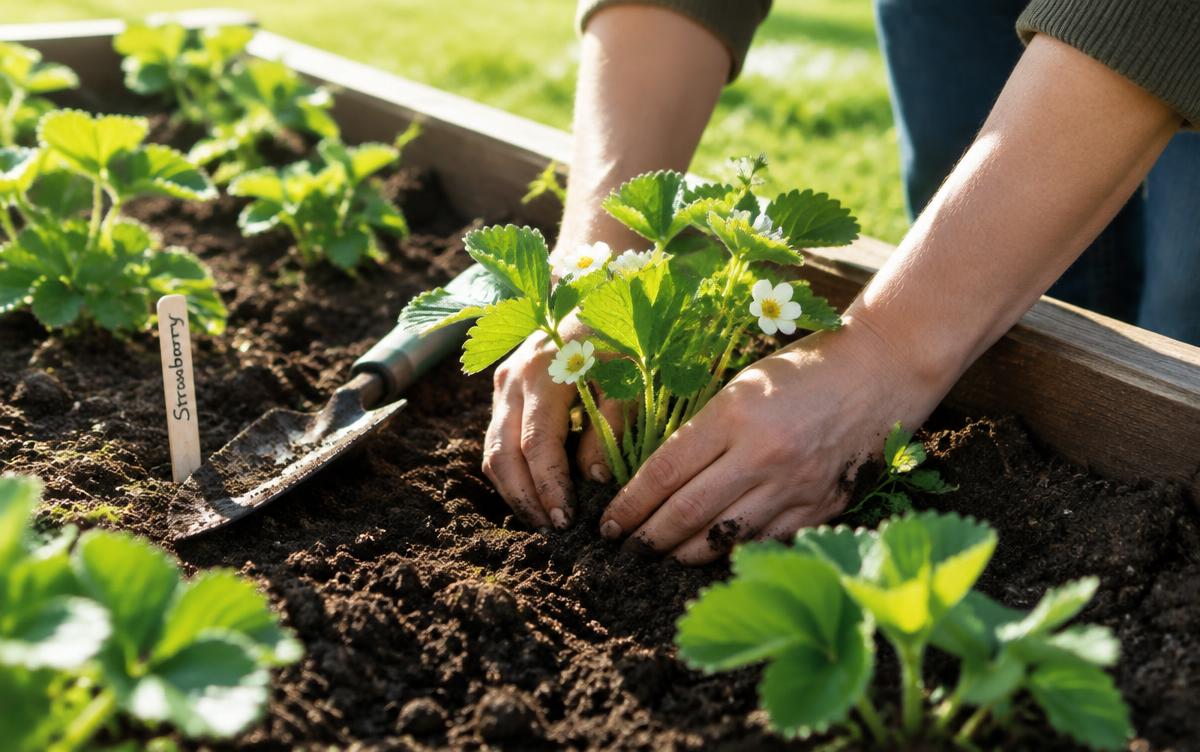
Plant dormant canes in early spring:
- Space plants about 2–3 feet apart in rows 6–8 feet apart.
- Set roots at the same depth they grew in the nursery.
- Cut canes back to about 6 inches after planting to encourage new shoots.
- Water well and mulch with 2–3 inches of straw or wood chips.
Support and watering
A simple trellis — posts with two horizontal wires at about 3 and 5 feet — keeps canes upright, improves air flow and makes picking easier. Raspberries need about 1–1.5 inches of water a week during the growing season, especially while fruit is forming. Drip irrigation keeps leaves dry and reduces disease.
Pruning made simple
Pruning depends on the type:
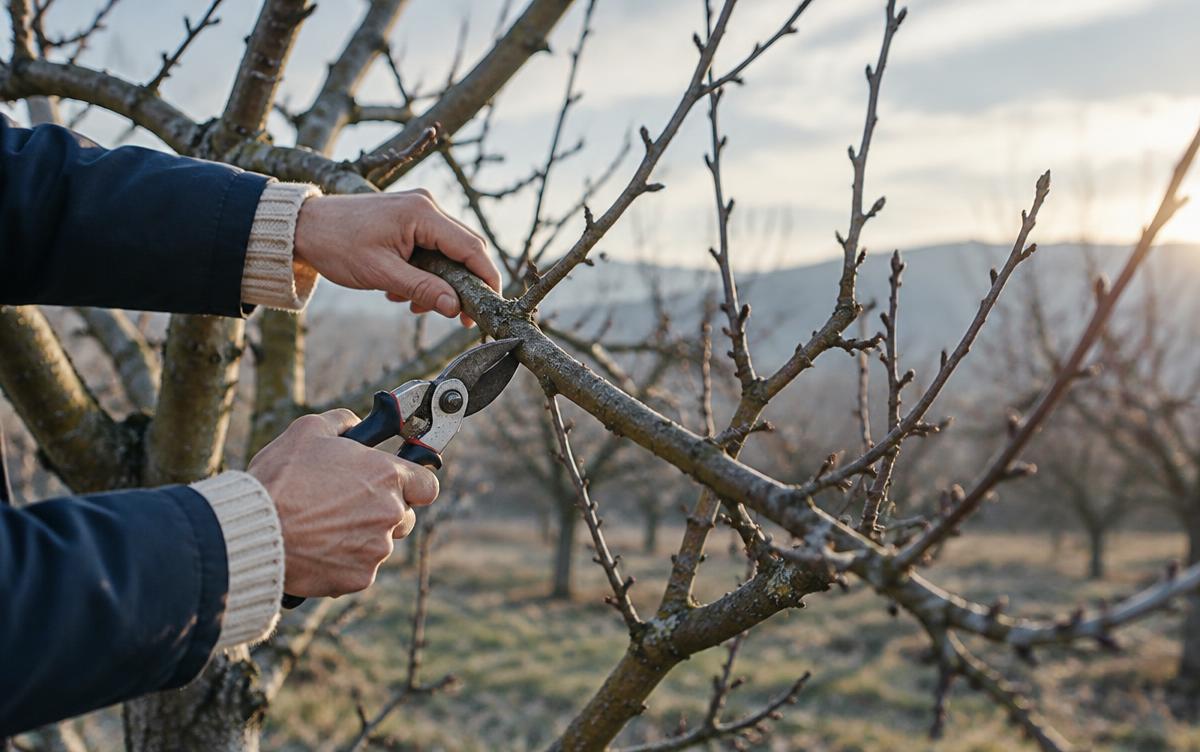
- Summer-bearing: after harvest, cut the canes that fruited down to ground level. Keep the strongest new canes, thinned to about 4–6 per foot of row.
- Fall-bearing (one crop): mow or cut all canes to the ground in late winter for a single, larger autumn crop.
- Remove weak, damaged or diseased canes at any time.
Frequently asked questions
How long until raspberries produce fruit?
Fall-bearing types often fruit in their first year; summer-bearing types usually start in the second year.
Can raspberries grow in pots?
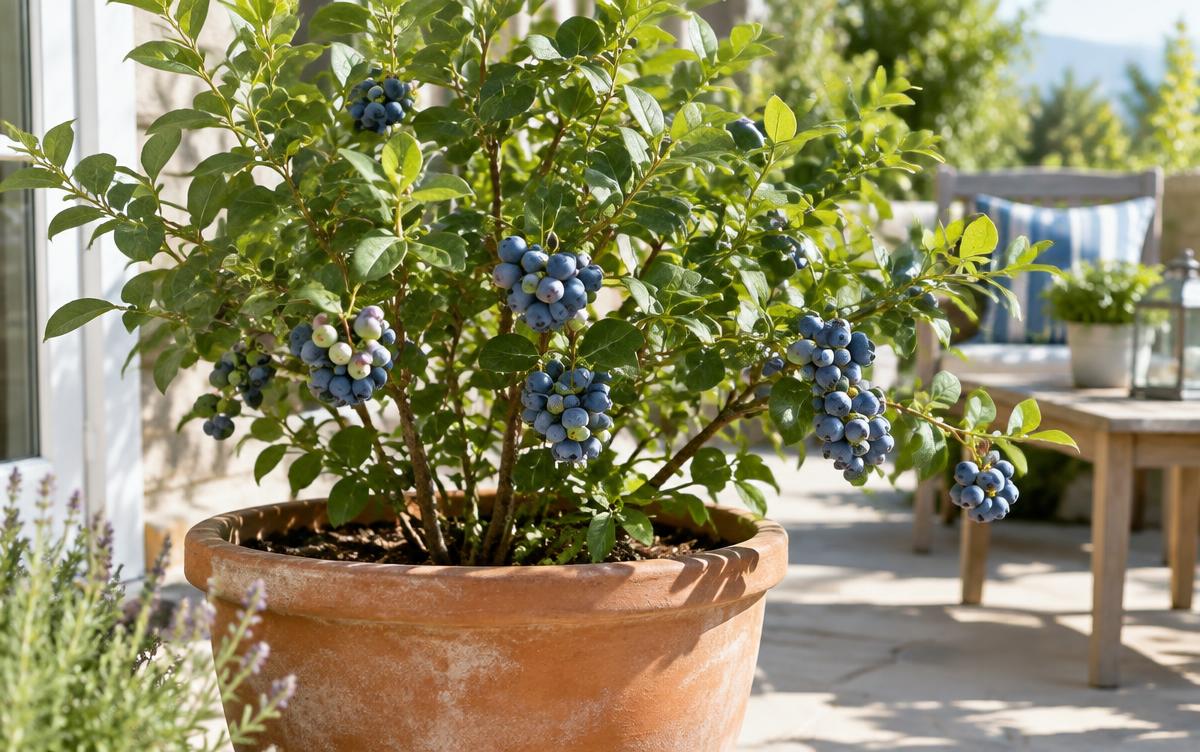
Yes, compact varieties grow well in containers of at least 15–20 gallons with good drainage.
Why are my raspberries crumbly?
Crumbly fruit is often caused by poor pollination, virus infection or drought stress during flowering.
When should I pick raspberries?
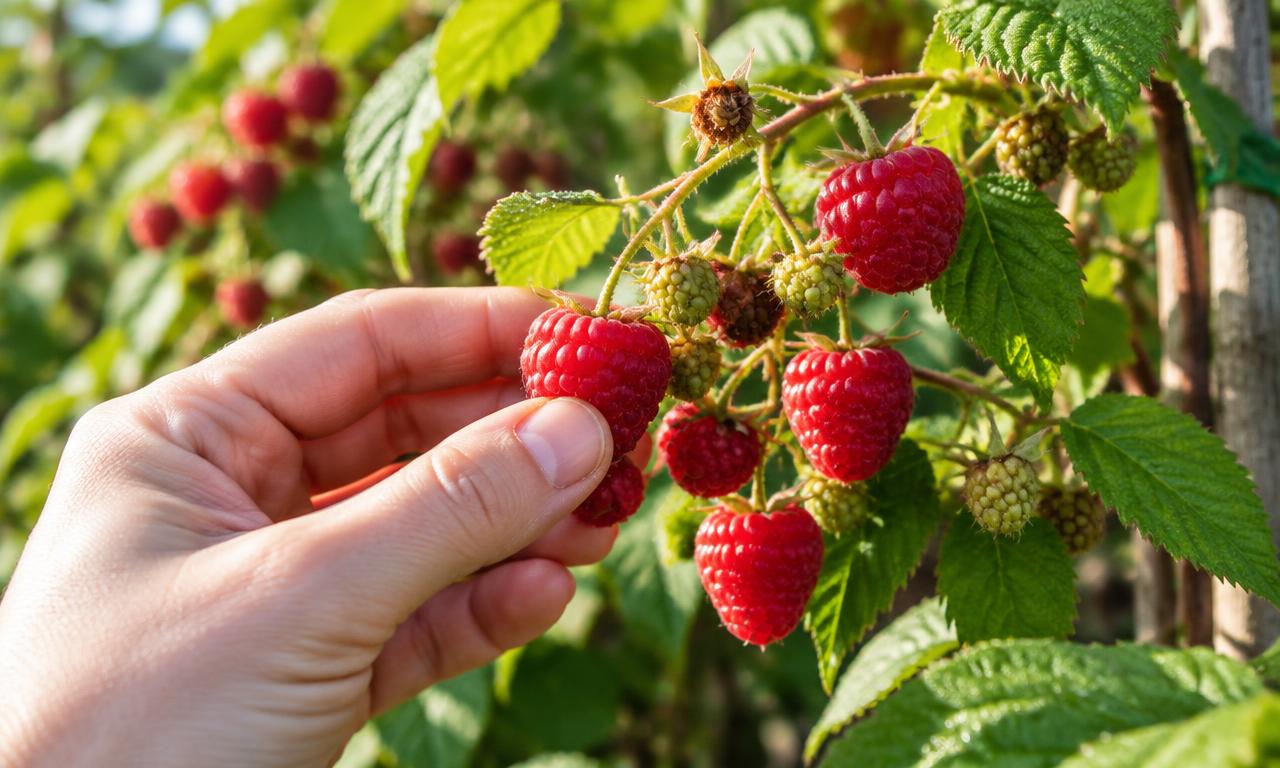
When berries are fully colored and slip easily off the core with a gentle pull. Pick every 2–3 days in peak season.
Sources and further reading
This article is for general information only and isn't a substitute for professional medical advice. See our disclaimer.